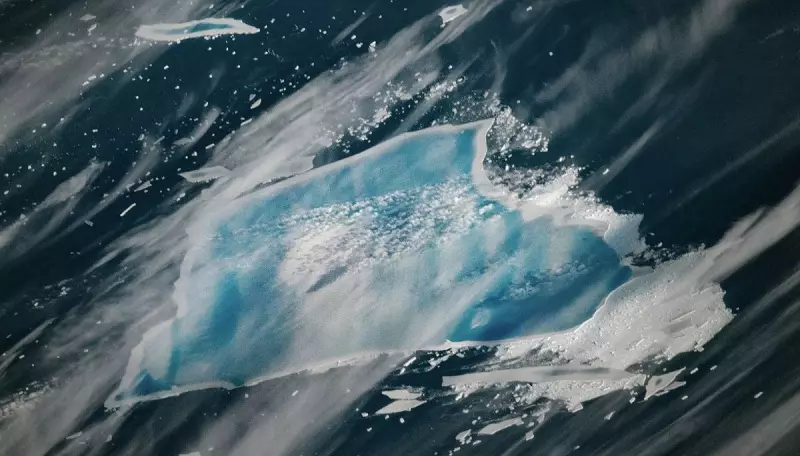
One of the most massive icebergs ever documented by scientists is now expected to break apart in the near future, according to tracking data from the National Aeronautics and Space Administration (NASA). The announcement, made on January 14, 2026, highlights a significant event in the ongoing observation of polar ice dynamics.
The Imminent Breakup of a Colossal Ice Mass
The iceberg in question ranks among the largest ever monitored since satellite tracking began. While the original report did not specify the iceberg's precise identifier or location, such behemoths typically calve from the Antarctic ice shelves. Their trajectories and stability are closely watched by agencies like NASA, as they can pose hazards to shipping and influence local ocean ecosystems. The expected disintegration signifies a major physical transformation of this frozen giant.
Tracking and Implications of Iceberg Movement
NASA utilizes a suite of satellite technology and aerial surveys to monitor icebergs of this scale. The process involves measuring surface area, thickness, and drift patterns. The impending breakup of such a large iceberg is a natural process, but it contributes fresh water to the ocean and can alter sea lanes. Events like this are of keen interest to climatologists and oceanographers studying the interactions between ice, ocean, and atmosphere, particularly in the context of a warming global climate.

A Broader Context of Environmental Change
While the calving and disintegration of icebergs are normal occurrences, the frequency and size of such events are areas of active scientific research. The tracking and public reporting of this specific iceberg's fate underscore the advanced capabilities of modern earth observation. This event serves as a tangible reminder of the dynamic and ever-changing nature of the planet's cryosphere. The data collected will feed into models that improve predictions of future sea-level rise and climate impacts.
As the situation develops, scientific organizations will continue to provide updates, offering a real-time look at one of Earth's most dramatic geological processes.