A significant weather system is taking aim at Vancouver Island, with forecasts predicting damaging winds and substantial rainfall for Tuesday, December 16, 2025. This storm is part of a successive series of systems impacting British Columbia's South Coast, raising concerns for residents and infrastructure.
Storm Details and Expected Impacts
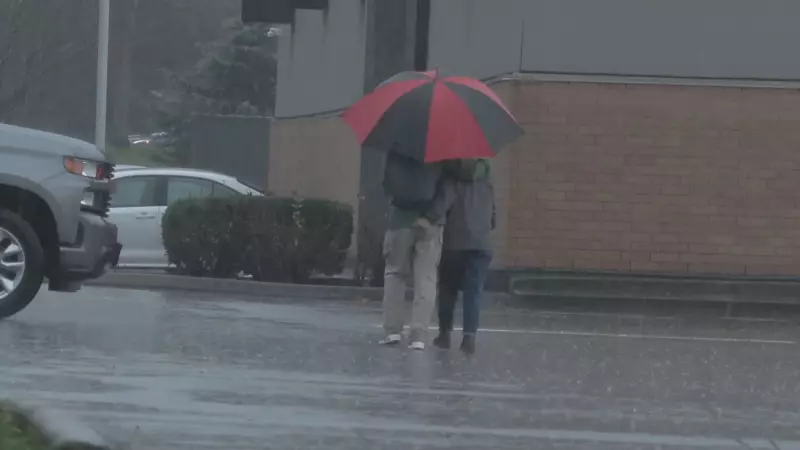
Environment Canada has issued warnings for the region, anticipating wind gusts that could reach speeds of up to 100 kilometres per hour. These powerful winds are expected to coincide with periods of heavy rain, creating a dual threat of potential flooding and wind damage. The combination could lead to downed trees, localized power outages, and hazardous travel conditions.
The incoming storm follows a pattern of active weather that has been affecting the coastal area. Meteorologists note that these consecutive systems can saturate the ground, increasing the risk of landslides and making trees more susceptible to being toppled by strong gusts.

Preparations and Safety Advice
Local authorities and emergency management officials are advising island residents to take precautions. Securing loose outdoor items, ensuring gutters are clear, and having an emergency kit ready are recommended steps. Drivers are being cautioned to avoid non-essential travel during the peak of the storm, especially near coastal areas and forests where winds will be strongest.
Residents should stay updated with the latest forecasts and warnings from Environment Canada, as conditions may change rapidly. The storm's trajectory and intensity will be closely monitored throughout Tuesday.
Broader Weather Context for B.C.
This event is not isolated. The South Coast of British Columbia is in the midst of an active storm season, with multiple systems lining up across the Pacific. The focus for Tuesday, however, is squarely on Vancouver Island, where the most severe conditions from this particular low-pressure system are projected to make landfall.
While the immediate concern is wind and rain, the succession of storms also has longer-term implications for river levels and soil stability across the region. Officials continue to assess the cumulative impact of this wet and windy weather pattern.