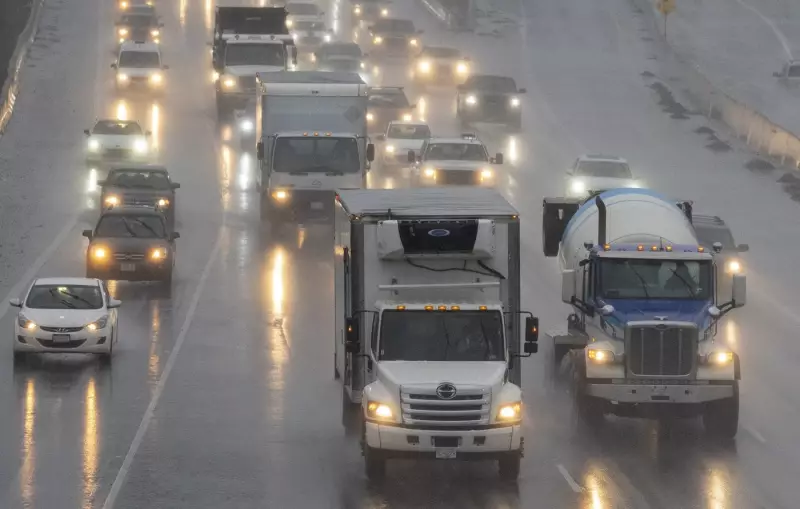
A significant atmospheric river event has been saturating the coast of British Columbia with persistent, heavy rainfall over a three-day period. The weather phenomenon, which began impacting the region, brings the potential for localized flooding and travel disruptions.
What is an Atmospheric River?
An atmospheric river is a long, narrow corridor in the atmosphere that transports immense amounts of water vapor from the tropics. When these "rivers in the sky" make landfall, often against mountain ranges like those in B.C., they release this moisture as heavy rain or snow. The current event is a classic example, targeting the province's coastal communities with a prolonged deluge.
Impacts and Preparedness
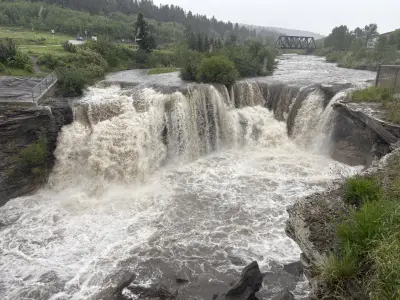
The sustained rainfall is the primary concern for officials and residents. Low-lying areas, creeks, and rivers are particularly susceptible to rising water levels. Residents in flood-prone zones are advised to monitor local alerts and have emergency plans ready. Drivers are also warned about hazardous road conditions, including reduced visibility and potential pooling water on highways, similar to conditions seen in past events like the heavy rain in Burnaby back in November 2021.

While the core news focuses on the ongoing atmospheric river, the broader news cycle in Canada continues with other significant stories. These include health updates from Alberta's chief medical officer, discussions on federal job cuts at Statistics Canada, and various provincial issues from Nova Scotia to Saskatchewan.
A Broader Weather Context
This B.C. rain event stands in contrast to other weather patterns across the country, such as the bitter cold anticipated for Toronto. It highlights the diverse and often extreme weather challenges faced in different regions of Canada. Environmental scientists note that the intensity and frequency of such atmospheric river events are a key area of study within the broader context of climate change and its impact on regional weather patterns.
Authorities continue to track the system closely, providing updates as the three-day event unfolds. The focus remains on community safety, infrastructure resilience, and mitigating the immediate impacts of the significant precipitation.