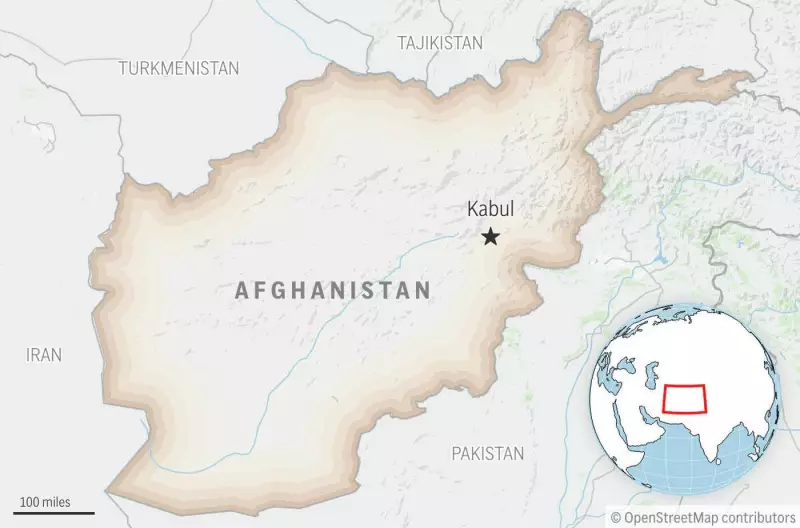
Flash floods caused by intense rainfall have claimed the lives of at least 17 people in Afghanistan, according to a report from The Associated Press published on January 1, 2026.
Sudden Onslaught of Floodwaters
The deadly incident occurred when torrential rains swept through areas of the country, leading to a rapid and devastating rise in water levels. These sudden flash floods are particularly dangerous due to their speed and destructive power, often giving residents little time to seek safety on higher ground.
The report, which did not specify the exact provinces affected, underscores the immediate human cost of such natural disasters. Emergency response efforts were likely hampered by the challenging terrain and infrastructure limitations in parts of Afghanistan.

A Pattern of Climate Vulnerability
This tragedy brings renewed attention to the severe impacts of extreme weather in vulnerable regions. Afghanistan's geography and climate make it susceptible to both droughts and sudden, heavy precipitation events that can trigger flooding and landslides.
While the immediate cause is heavy rainfall, such events are increasingly examined through the lens of a changing global climate, which can intensify weather patterns and lead to more frequent and severe hydrological disasters.
Broader Context of Global Extremes
The news from Afghanistan arrives as many parts of the world, including Canada, grapple with their own severe weather. On the same day, weather advisories were issued across 12 Canadian provinces and territories for blizzards, snowfall, extreme cold, and fog.
This juxtaposition highlights the global nature of environmental challenges. From fatal avalanches in northeastern British Columbia to record snow at Lake Louise Ski Resort, the start of 2026 has been marked by significant meteorological events across the Northern Hemisphere.
The loss of life in Afghanistan serves as a somber reminder of the human toll exacted by natural disasters and the critical need for preparedness, early warning systems, and resilient infrastructure in at-risk communities worldwide.