A remarkable and unseasonable warm front swept across Alberta, shattering long-standing temperature records on Monday, January 13, 2026. The province experienced a dramatic departure from typical winter conditions, with thermometers climbing to levels more commonly associated with spring.
Province-Wide Records Toppled
The record-breaking event was not isolated to a single community but was a widespread phenomenon. Multiple weather stations across Alberta reported their highest-ever temperatures for January 13, surpassing benchmarks that had stood for years. This significant weather anomaly was documented by CTV News Edmonton's Chief Meteorologist, Josh Classen, who highlighted the extent of the warming trend.
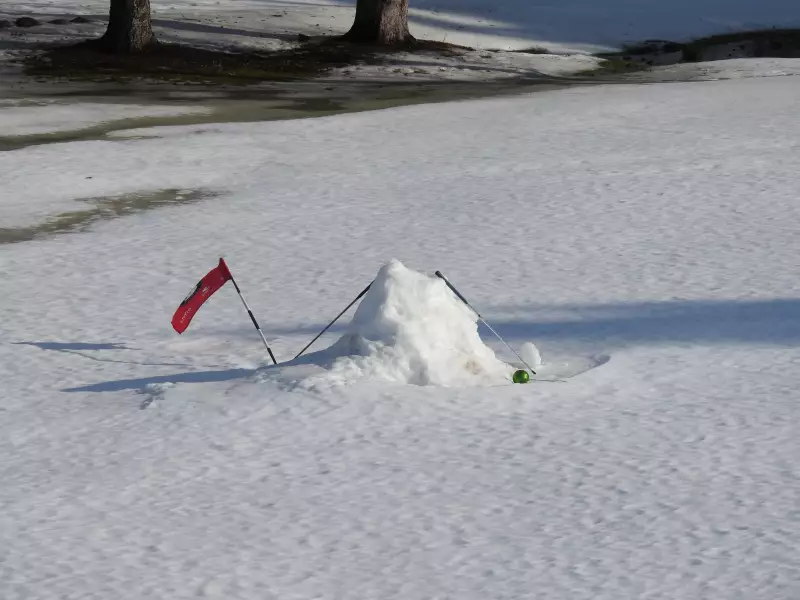
The warm spell had been building in the days prior, as evidenced by visual reports from across the region. In a symbolic display of the thaw, a snowman in New Dundee was captured on video on January 9, rapidly melting under the rising temperatures. The footage, courtesy of Jim Corbett, served as an early indicator of the persistent and intense warmth moving into the Prairies.

Context of a Milder Winter Pattern
This event fits into a broader pattern of variable and often milder winter weather experienced in Western Canada in recent years. While cold snaps and snowstorms still occur, episodes of significant mid-winter warmth have become more frequent, raising questions among climatologists and the public alike. The sudden melt can lead to a range of effects, from increased runoff and potential flooding concerns to disruptions in winter recreational activities.
Such pronounced temperature deviations have tangible impacts on daily life, affecting everything from energy consumption for heating to road conditions and agricultural planning. The rapid snowmelt can create icy patches overnight when temperatures dip, presenting hazards for drivers and pedestrians.
Looking Ahead: Weather and Climate
While a single warm day does not define a climate trend, it contributes to the growing dataset of extreme weather events. Meteorologists like Classen continue to monitor these patterns, providing crucial data for understanding seasonal variability and long-term climatic shifts. Residents are advised to stay updated on forecasts, as such warm interludes in January can often be followed by a return to more seasonal, colder conditions.
The record-shattering day of January 13, 2026, will be entered into the official climate records for Alberta, marking another notable moment in the province's weather history. It serves as a stark reminder of the dynamic and sometimes unpredictable nature of Canadian winters.