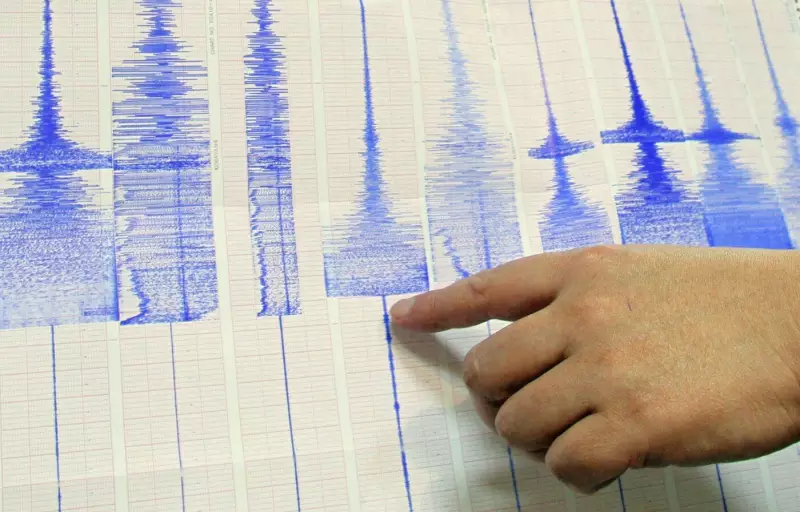
A sobering new report has laid out the catastrophic potential of a major seismic event on Canada's west coast, warning that a magnitude 9.0 earthquake in British Columbia could result in thousands of fatalities and economic costs surpassing $128 billion. The findings, published on December 29, 2025, underscore the immense risk posed by the Cascadia Subduction Zone.
The Cascadia Threat: A Ticking Time Bomb
The report focuses on the seismic hazard presented by the Cascadia Subduction Zone, a massive fault line running from northern Vancouver Island to northern California. This geological feature is capable of generating megathrust earthquakes similar in scale to the 2011 Tohoku quake in Japan. Scientists have long warned that the region is overdue for a significant rupture, which could unleash devastating ground shaking, landslides, and a powerful tsunami along the B.C. coast.
The analysis projects a grim human toll, with thousands of casualties expected in the immediate aftermath of such an event. The combination of violent shaking, structural collapse, and subsequent tsunami waves would create a complex disaster scenario, overwhelming emergency response capabilities and critical infrastructure.

Staggering Economic and Infrastructure Impact
Beyond the tragic loss of life, the financial implications are staggering. The report estimates total economic losses could reach $128 billion. This figure encompasses direct damage to buildings, roads, bridges, and ports, as well as long-term business interruption, supply chain collapse, and massive recovery and reconstruction costs.
Key infrastructure across southwestern B.C., including in the Metro Vancouver region, would be severely compromised. The report highlights vulnerabilities in older buildings not built to modern seismic codes, lifeline systems like water and electricity, and transportation networks. The damage would not be confined to the coast; significant shaking would be felt far inland, disrupting communities and economies across the province.
A Call for Enhanced Preparedness
While the scenario is dire, the report is intended as a clarion call for action, not a prediction of inevitable doom. It emphasizes that the scale of the disaster can be mitigated through continued and accelerated investment in seismic resilience. This includes:
- Retrofitting critical infrastructure like schools, hospitals, and bridges.
- Enforcing and updating building codes to ensure new construction can withstand severe shaking.
- Investing in public education and emergency planning so individuals and communities know how to respond.
- Strengthening tsunami warning systems and coastal evacuation routes.
The publication of this report serves as a critical reminder for all levels of government, businesses, and residents in British Columbia. The geological reality of the Cascadia Subduction Zone means the question is not if a major earthquake will occur, but when. The time to prepare for that eventuality is now, with the goal of saving lives and reducing the profound economic shock outlined in this latest assessment.