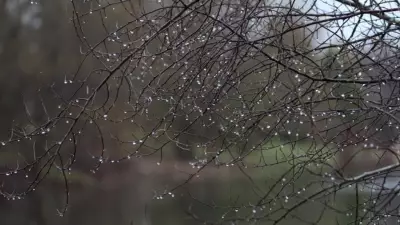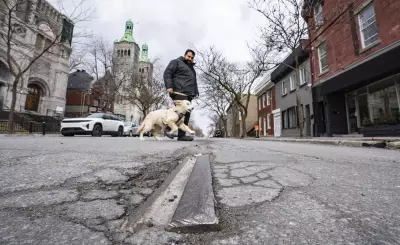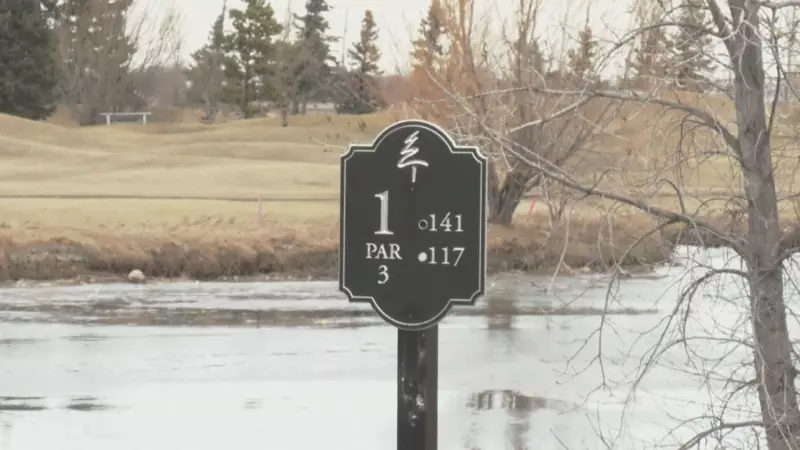
Residents of Southern Alberta are experiencing a winter starkly different from the norm, with January 2026 bringing unseasonably warm temperatures instead of the deep freeze typically expected. The cause is a persistent pattern of strong chinook winds, which have kept the region unusually mild so far this month.
The Chinook Effect and Current Conditions
As of January 12, 2026, the characteristic warm, dry winds descending from the Rocky Mountains have dominated the weather pattern. These chinooks have effectively pushed away the bitter cold that usually defines a Prairie January, leading to conditions more reminiscent of early spring than mid-winter. Meteorologists note that while chinooks are a regular feature of Alberta's climate, their sustained presence this deep into January is notable.
A Potential Shift on the Horizon
However, forecasters are cautioning that this mild interlude may not last. Weather models suggest a change in the atmospheric pattern is possible in the coming days. This shift could see the retreat of the chinook flow, allowing colder Arctic air to push southward into the region. While not guaranteed, the potential exists for a rapid return to more seasonal, frigid temperatures.

The current warm spell, while pleasant for many, does not indicate a long-term trend. Alberta's winters are famously variable, and sharp transitions are common. Residents are advised to enjoy the break from the cold but to remain prepared for a swift return to winter conditions, which could include snowfall and significantly lower temperatures.
Broader Context and Community Impact
This weather anomaly occurs amidst a wide array of other news across Canada, from a major gold heist arrest at Pearson Airport to changes in cervical cancer screening in Alberta. Yet, for Calgarians and those across Southern Alberta, the immediate and tangible experience of an open winter jacket in January remains a primary topic of conversation. The question on everyone's mind is how long the reprieve will last before traditional winter reasserts its presence on the Prairies.