Residents of Edmonton are being told to prepare for another stretch of unusually warm weather this week, with the potential for more temperature records to be broken. This comes on the heels of a Monday that saw heat records shattered across Alberta.
Monday's Record-Shattering Warmth
On Monday, January 12, 2026, numerous communities across Alberta experienced record-breaking high temperatures for the date. The unseasonable warmth was widespread, defying typical January norms and prompting discussions about the persistent mild pattern. While specific figures for Edmonton were not detailed in the initial report, the trend across the province indicates the city was part of this significant weather event.
Forecast Calls for Continued Mild Air
According to meteorologist Josh Classen, the pattern responsible for the record warmth is not finished. The forecast for the coming days in Edmonton suggests the mercury will remain well above seasonal averages. There is a distinct possibility that daily high temperature records could be challenged or broken again before the week is out. This extended period of mild weather in mid-January is notable for its duration and intensity.

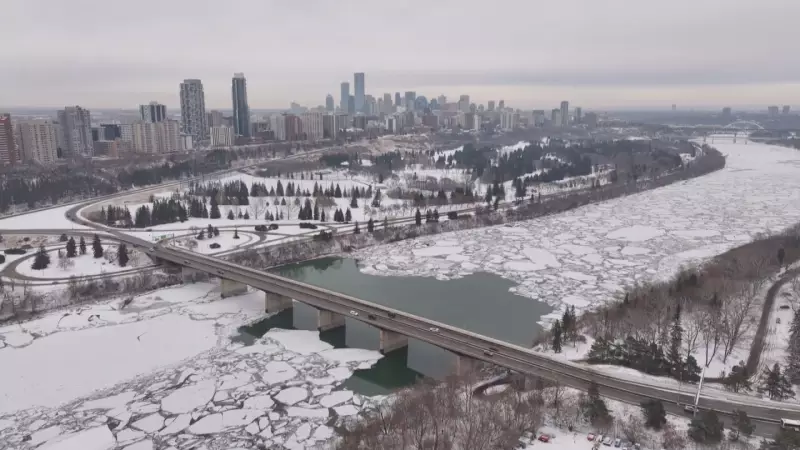
The conditions are a stark contrast to the typical deep freeze Edmonton often experiences in January. The scene of drivers crossing the North Saskatchewan River on the Groat Road Bridge in early December, as captured by CTV News Edmonton, already seems part of a distant, colder season.
Context and Looking Ahead
While short-term weather patterns like this one are driven by specific atmospheric setups, such persistent warmth during a winter month aligns with broader observations of changing climate patterns. For Edmontonians, the immediate impact means a respite from severe cold, but also potential concerns regarding ice stability on rivers and lakes, and impacts on winter activities.
The key takeaway from Josh Classen's analysis is clear: Edmonton's winter heat wave is not over. Citizens should stay updated with the latest forecasts as the week progresses to see if more historical temperature marks will indeed fall.