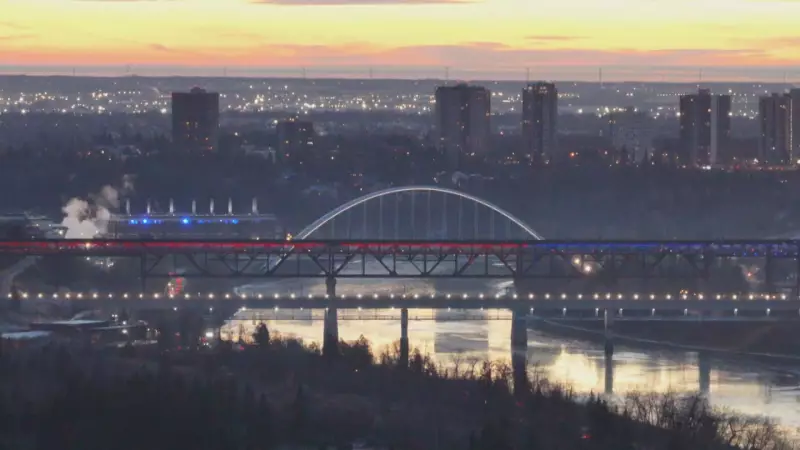
Edmontonians are in for a pleasant surprise as the city's stretch of mild autumn weather is expected to continue throughout the coming week. According to meteorologist Cory Edel's forecast, the capital region will maintain above-seasonal temperatures despite the mid-November date.
Extended Mild Spell Defies Seasonal Norms
The persistent mild weather pattern represents a significant departure from typical Edmonton November conditions. While the city normally experiences freezing temperatures and occasional snowfall by this time of year, residents are instead enjoying conditions that feel more like late September or early October.
The forecast indicates that daytime highs will remain well above freezing, providing additional time for outdoor activities and delaying the inevitable winter preparations that most Albertans have typically completed by mid-November.

Regional Weather Context Across Canada
While Edmonton enjoys this weather reprieve, other parts of Canada are experiencing more typical late autumn conditions. Western New Brunswick is dealing with school cancellations due to snowfall warnings, while Forest City residents are digging out from heavy snowfall.
The contrasting weather patterns highlight Canada's diverse climate systems, with Edmonton currently positioned in a favorable atmospheric pattern that's blocking colder Arctic air from moving southward into the region.
Economic and Lifestyle Implications
The extended mild spell brings both benefits and considerations for Edmonton residents. On the positive side, the pleasant conditions allow for continued outdoor construction projects, extended patio season for restaurants, and reduced heating costs for homeowners.
However, the unusual weather pattern raises questions about long-term climate trends and their impact on Alberta's seasonal cycles. The unseasonable warmth follows recent national reports showing inflation cooling to 2.2% as gas and grocery prices fell in October, potentially providing additional financial relief to households.
Environment Canada and local meteorologists will continue monitoring the situation to determine if this mild pattern represents a temporary anomaly or part of a broader climatic shift affecting the prairie region.