Environment Canada has continued its Yellow Alert for the city of Barrie and the surrounding Simcoe County region, urging residents to remain vigilant as winter conditions persist. The alert follows a significant snow event that blanketed the area, impacting travel and daily life.
Weather Conditions and Ongoing Advisory
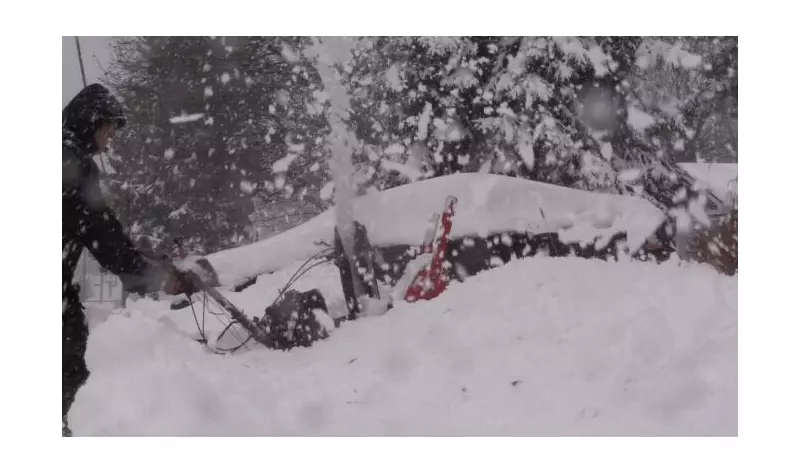
The national weather agency issued the advisory due to a combination of factors, including ongoing cold temperatures, the potential for additional flurries, and challenging wind chills. This comes after a major blast of snow hit the region between November 27 and 28, 2025, which required substantial cleanup efforts from residents and municipal crews alike.
Local authorities in Barrie had previously taken precautionary measures, including the cancellation of New Year's Eve celebrations, in response to the severe winter weather patterns. The decision underscores the seriousness with which officials are treating the ongoing environmental situation.

Impact on Local Communities and Travel
The persistent winter weather has led to continued road closures and travel advisories in several areas. For instance, in the nearby township of Springwater, a days-long winter storm paralyzed the community, with roads remaining closed well after the heaviest snowfall. Similarly, South Bruce has experienced ongoing road closures, as confirmed by the Ontario Provincial Police (OPP).
Emergency services have been active across the region. In one notable incident, crews successfully rescued a person from the Thames River, highlighting the dangers posed by the extreme conditions. These events illustrate the broad impact of the winter weather system beyond simple snowfall, affecting safety and mobility.
Broader Context of Winter Advisories
The alert for Barrie is part of a larger pattern of winter weather affecting much of Canada. Environment Canada has issued various weather advisories, including warnings for blizzards, snowfall, extreme cold, and fog, spanning 12 provinces and territories nationwide. This widespread activity signals an active and potent winter season.
Residents in the affected areas are advised to monitor updated forecasts from Environment Canada closely. Key recommendations include preparing for rapidly changing conditions, avoiding non-essential travel when advisories are in effect, and ensuring vehicles and homes are winter-ready.
The continuation of the Yellow Alert serves as a reminder of the powerful and unpredictable nature of Canadian winters, particularly in regions like central Ontario that are prone to significant lake-effect snow and cold snaps.