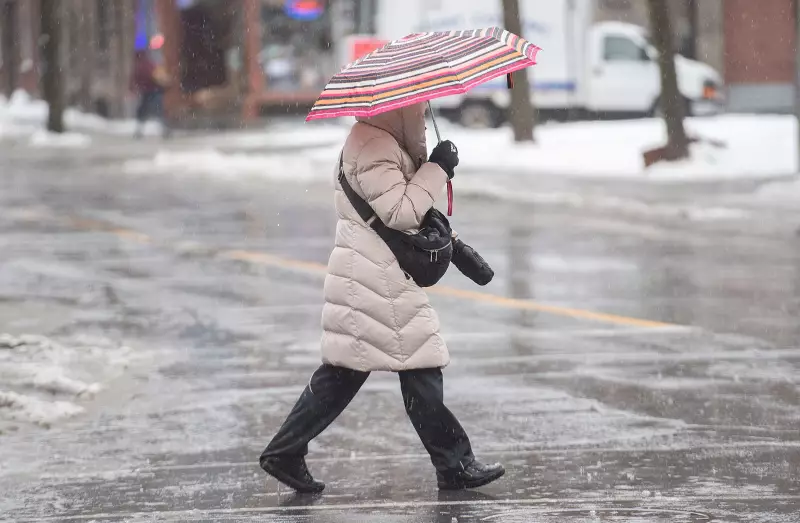
Environment Canada is warning residents of Eastern Canada to brace for a renewed bout of hazardous winter weather, with freezing rain and strong winds threatening to cause further power outages across the region.
Meteorologist Warns of Widespread Impacts
The national weather agency has issued freezing rain warnings for most of the Maritime provinces as of Monday, December 29, 2025. Meteorologist Gerald Cheng highlighted the dual threat posed by the incoming system: significant ice accumulation from freezing precipitation combined with powerful gusts of wind.
This combination is a recipe for extended power disruptions. The weight of ice can bring down tree limbs and power lines, a danger that is dramatically amplified when strong winds add additional stress and cause swaying. The warnings come as some communities are still recovering from previous winter storms that have already left thousands without electricity.

Hazardous Conditions Extend Beyond the Maritimes
While the Maritimes are under specific freezing rain warnings, the impacts of this wild weather pattern are being felt across Eastern Canada. The forecast for the broader region includes a mix of freezing rain, ice pellets, and blowing snow, creating treacherous travel conditions and the continued risk of utility interruptions.
Environment Canada's alerts urge the public to exercise extreme caution. Road surfaces may become icy and nearly impassable, while sidewalks and parking lots could turn into sheets of ice. The agency recommends postponing non-essential travel until conditions improve and being prepared for possible extended power losses at home.
Preparation Key as Severe Weather Continues
The persistent severe weather serves as a stark reminder for Canadians to have emergency kits ready. These kits should include essentials such as flashlights, batteries, a battery-powered or crank radio, non-perishable food, water, and warm blankets.
Residents are advised to stay updated on the latest forecasts and warnings from Environment Canada, as conditions can change rapidly. The agency continues to monitor the situation closely, with meteorologists like Gerald Cheng providing ongoing analysis on how these intense weather patterns are impacting communities from the Atlantic coast inland.