Severe Flooding Forces Highway 64 Closure in West Nipissing Region
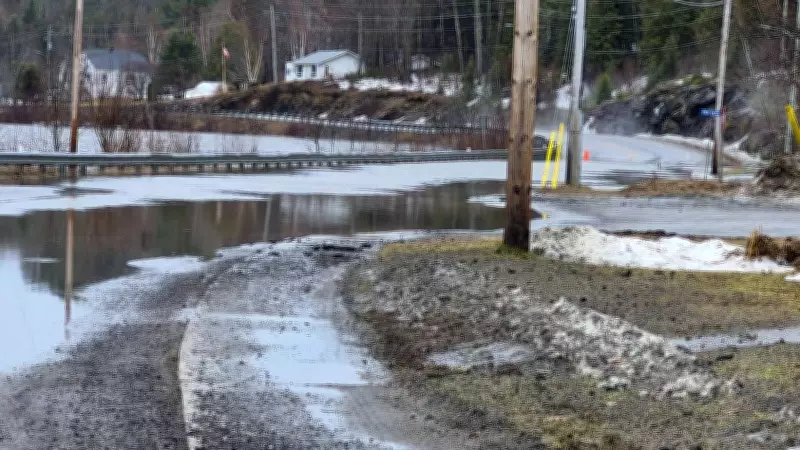
Significant flooding has led to the closure of Highway 64 and other key roads in the West Nipissing area of Northern Ontario, as heavy rainfall continues to impact the region. The flooding, which began on April 18, 2026, has prompted urgent warnings from local authorities about dangerous driving conditions and potential safety hazards.
Road Closures and Safety Measures
Highway 64, a major transportation route, has been shut down due to rising water levels, with additional closures affecting local roads and trails. Officials have emphasized that driving on closed roads carries severe penalties, including a $110 fine and three demerit points. This strict enforcement aims to prevent accidents and ensure public safety during the ongoing crisis.
Weather warnings remain in effect for Saturday, with forecasts predicting persistent rain that could exacerbate the flooding. The flood threat is expected to linger throughout the weekend, as more heavy rains are set to hit the area, raising concerns about further damage and disruptions.

Regional Impact and Response
The flooding in Field, Ontario, has been particularly severe, highlighting the broader challenges faced by communities in West Nipissing. Emergency services are actively monitoring the situation, with efforts focused on assessing damage and providing assistance to affected residents. The closures have disrupted travel and local activities, underscoring the need for caution and preparedness.
This incident is part of a larger pattern of extreme weather events in Canada, as climate change continues to influence environmental conditions. Similar flooding has been reported in other regions, such as Minden Hills, where roads have crumbled due to water damage, emphasizing the widespread nature of this issue.
Looking Ahead
As the weekend approaches, authorities urge residents to stay informed about weather updates and avoid unnecessary travel. The combination of ongoing rainfall and already saturated ground increases the risk of additional flooding, making it crucial for the community to remain vigilant.
In response to the crisis, local governments are coordinating with provincial agencies to manage the situation and plan for recovery efforts. The focus is on minimizing further impact and ensuring that infrastructure can be restored once conditions improve.