Devastating flash floods have struck a remote part of Indonesia, claiming the lives of at least 16 people and sweeping away numerous homes. The disaster occurred in the Sitaro district of North Sulawesi province, prompting a large-scale search and rescue operation.
Rescue Efforts Underway in Sitaro District
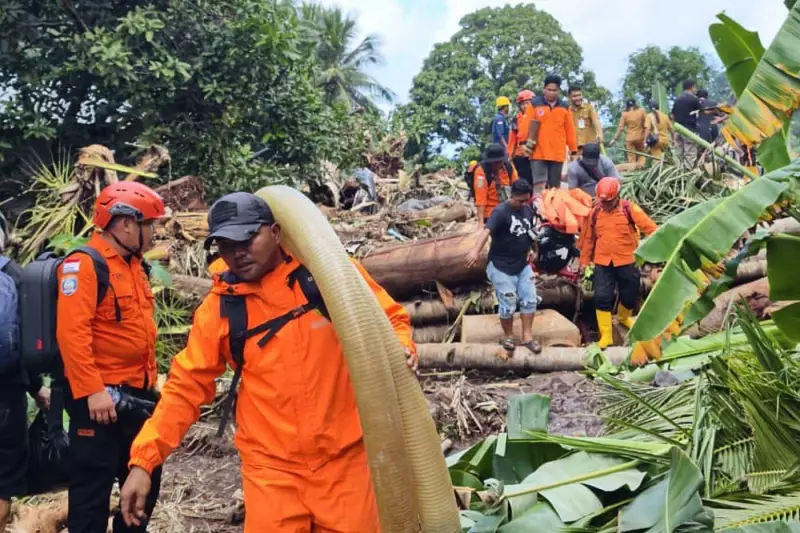
The Indonesian National Search and Rescue Agency, known as BASARNAS, released photos on Tuesday, January 6, 2026, showing the scale of the response. Images depict rescuers and local villagers working together to search for victims amidst the debris and floodwaters. The sudden nature of the flash floods left little warning for residents, leading to the tragic loss of life and significant property damage.
The confirmed death toll stands at 16 individuals, with fears that the number could rise as search operations continue. The floods, which followed intense rainfall, caused rivers to overflow their banks, sending torrents of water and mud through communities. Homes were ripped from their foundations, and infrastructure was severely damaged, isolating some areas.

Climate and Geography Contribute to Disaster
Indonesia's archipelago is frequently hit by severe weather events, including floods and landslides, especially during the rainy season. The nation's mountainous terrain and dense population in vulnerable areas often exacerbate the impact of such natural disasters. North Sulawesi, with its volcanic landscape, is particularly prone to sudden flooding events when heavy rain saturates the soil.
Local authorities and disaster relief agencies are now focused on providing immediate aid to survivors. This includes shelter, clean water, food, and medical assistance. The full extent of the damage is still being assessed, but it is clear that rebuilding the affected communities in Sitaro will be a long-term challenge.
A Global Pattern of Extreme Weather
This tragedy in Indonesia adds to a growing list of extreme weather events worldwide, which scientists often link to broader climate change patterns. While specific weather incidents cannot be directly attributed to climate change, the increased frequency and intensity of such disasters align with scientific projections for a warming planet.
The international community often watches these events closely, as they underscore the urgent need for both effective disaster preparedness at the local level and global action on environmental issues. For now, the focus remains on the ground in North Sulawesi, where the priority is supporting the victims and their families in the wake of this sudden and deadly natural disaster.