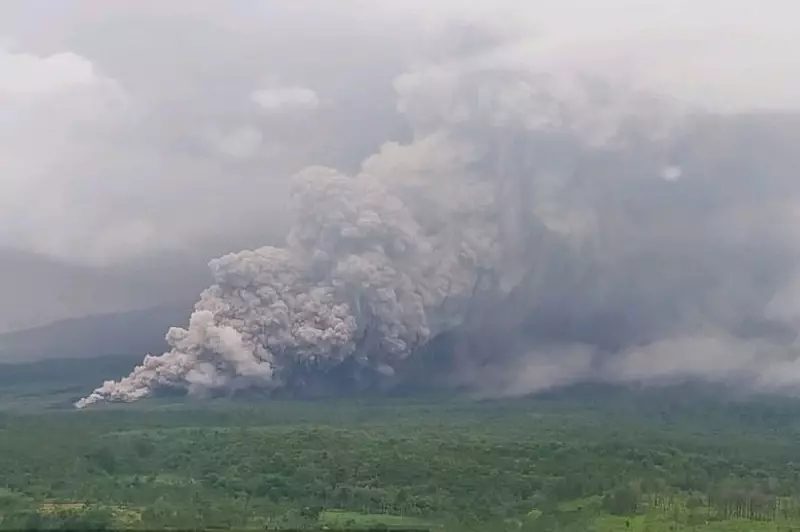
Indonesian authorities have escalated the alert status for Mount Semeru to its highest level following a sequence of significant volcanic eruptions. The decision comes as the active volcano in East Java demonstrates increased activity, posing substantial risks to surrounding communities.
Increased Volcanic Activity Prompts Emergency Response
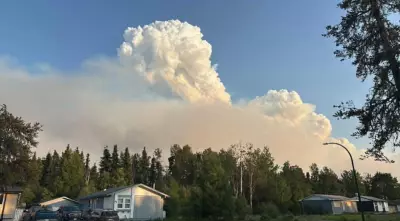
The Geological Agency of Indonesia's Ministry of Energy and Mineral Resources confirmed multiple eruptions occurring on Wednesday, November 19, 2025. Photographic evidence released by the agency shows Mount Semeru actively emitting volcanic materials into the atmosphere, creating dangerous conditions for residents in Lumajang, East Java.
Volcanologists monitoring the situation detected a pattern of escalating activity that necessitated the elevation to the highest alert level. This classification indicates that eruptive activity is imminent or underway with significant potential for hazardous phenomena including pyroclastic flows, lava flows, and explosive eruptions.

Immediate Impacts and Safety Measures
The raised alert level triggers mandatory evacuation protocols for communities within the volcano's danger zones. Emergency response teams have been deployed to assist with resident relocations and establish safety perimeters.
Aviation authorities have issued warnings to aircraft regarding the volcanic ash cloud spreading from the eruption site. The fine ash particles present serious risks to aircraft engines and navigation systems, potentially disrupting flight patterns throughout the region.
Local agricultural areas face immediate threat from ash fall, which can damage crops and contaminate water sources. The cumulative effect of multiple eruptions increases the volume of volcanic material being deposited across the landscape.
Regional Context and Historical Precedent
Mount Semeru has maintained consistent activity for several years, with previous significant eruptions occurring in recent memory. The current escalation represents the most serious volcanic activity recorded at the mountain in the current year.
Indonesia's position within the Pacific Ring of Fire makes it particularly vulnerable to volcanic and seismic events. The country operates an extensive monitoring network to track its numerous active volcanoes and provide early warnings to protect vulnerable populations.
Emergency management officials continue to assess the situation and coordinate response efforts as the volcanic activity evolves. The priority remains ensuring public safety while minimizing disruption to essential services and transportation infrastructure affected by the eruptions.