More than one hundred people have lost their lives following days of relentless, torrential rain and severe flooding across multiple nations in southern Africa. The disaster, which unfolded in mid-January 2026, has caused widespread destruction, submerging communities and overwhelming infrastructure.
Widespread Devastation Across the Region
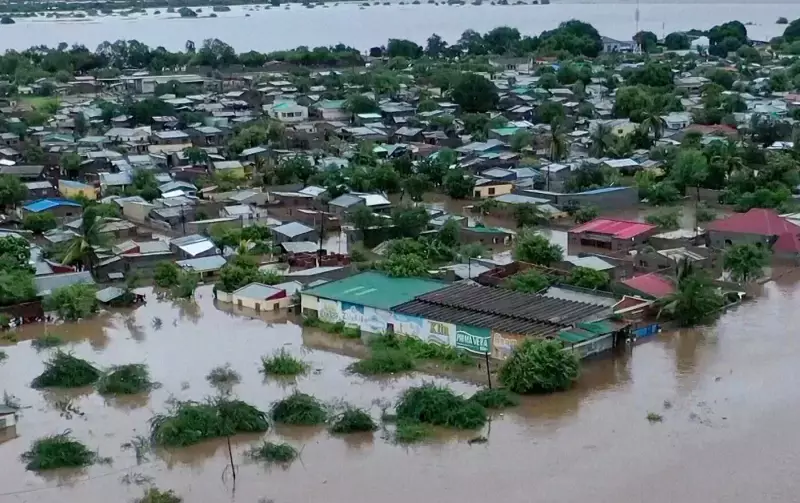
The catastrophic weather event impacted a broad swath of the continent. In Mozambique's Tete Province, dramatic video footage captured on Thursday, January 15, 2026, revealed the extensive aftermath, with floodwaters swallowing landscapes and homes. The death toll, compiled from reports across the affected countries, has tragically surpassed the one hundred mark, with fears it could rise further as emergency crews reach isolated areas.
A Region Grappling with Climate Extremes
Southern Africa is no stranger to volatile weather, but the intensity of this event has been particularly severe. The torrential downpours led to rivers bursting their banks, triggering flash floods that caught many communities off guard. The scale of the flooding suggests a significant weather system stalled over the region, dumping unprecedented volumes of rain over a short period.

Such extreme rainfall events are becoming a growing concern for meteorologists and climate scientists studying patterns in the region. While individual weather events cannot be solely attributed to climate change, the increasing frequency and intensity of storms align with broader global warming projections for many parts of the world.
Response and Recovery Challenges
Emergency response operations are underway, though they face significant hurdles. Flooded roads and damaged bridges are hampering access for rescue teams and aid delivery. The immediate priorities are searching for survivors, providing medical care to the injured, and delivering essential supplies like clean water, food, and temporary shelter to displaced thousands.
The long-term recovery for the affected nations will be arduous. Rebuilding homes, restoring critical infrastructure like water and power systems, and recovering agricultural land will require substantial international support and funding. This disaster serves as a stark reminder of the human and economic costs associated with climate-related disasters and the urgent need for resilient planning in vulnerable regions.