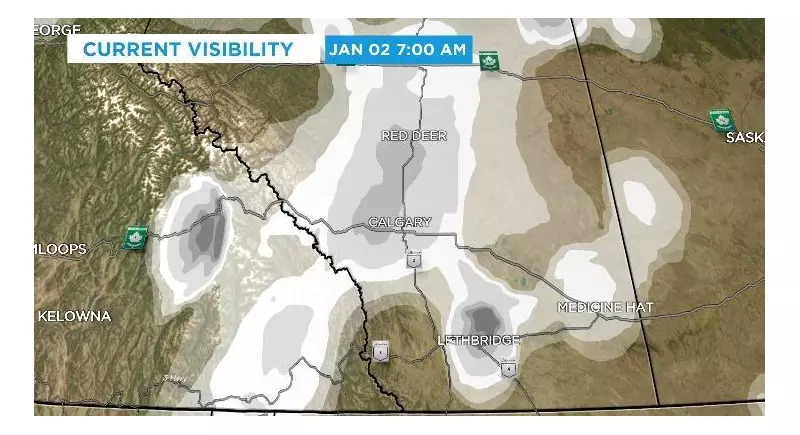
The first days of 2026 in Calgary are being defined by a murky and potentially hazardous weather pattern. An extensive blanket of fog, which first developed over southern Alberta on Thursday, January 1, 2026, has stubbornly persisted into Friday morning, January 2.
A Hazy Start to the New Year
Residents across the region woke up to significantly reduced visibility as the intense fog failed to dissipate overnight. The meteorological phenomenon has created a surreal and muted landscape, impacting morning commutes and outdoor activities. Weather officials note that the fog's persistence is unusual for this time of year, making it a memorable start to the new calendar.
Freezing Drizzle Adds a Slippery Threat
Compounding the visibility issues is the presence of freezing drizzle. This light precipitation creates a thin, nearly invisible layer of ice on surfaces like roads, sidewalks, and vehicles. The combination of poor visibility and slippery conditions elevates the risk for drivers and pedestrians alike. Authorities are reminding Calgarians to exercise extreme caution, allow for extra travel time, and ensure vehicles are properly cleared of frost and ice.

Regional Impact and Safety Advisories
The weather system is affecting a broad swath of southern Alberta, with Calgary situated at its heart. Environment and Climate Change Canada likely has advisories in effect, warning of rapidly changing travel conditions. The fog and freezing drizzle are expected to gradually improve through the day, but the exact timing remains uncertain. This event follows a national trend of active winter weather across Canada for the first weekend of the year.
While the fog may create picturesque, frost-covered scenes, the primary concern remains public safety. Residents are advised to stay updated on the latest forecasts and road reports before heading out. This foggy inauguration to 2026 will certainly be a talking point, underscoring the unpredictable nature of prairie winters.