Emergency crews successfully rescued a snowmobiler from the icy waters of the Rideau River on Monday night after his machine broke through the surface. The incident occurred near the community of Burritts Rapids, prompting a swift response from Ontario Provincial Police (OPP) and local rescue teams.
Dramatic Rescue on the Icy River
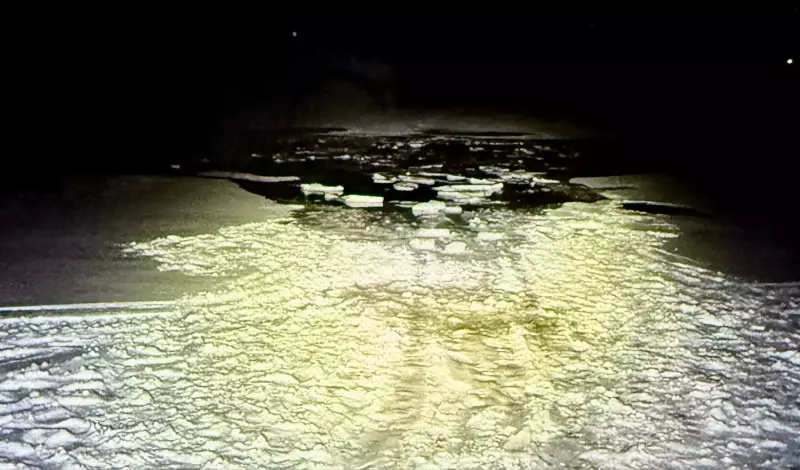
The OPP confirmed that the call came in on the evening of Monday, January 12, 2026. The rider was traversing the frozen river when the ice gave way, plunging both the individual and the snowmobile into the cold water. The exact location was pinpointed to a section of the Ottawa River near Burritts Rapids.
First responders arrived quickly at the scene. Using specialized cold-water rescue equipment and techniques, they were able to pull the man from the river. Officials reported that the snowmobiler was conscious when extracted but was suffering from the effects of immersion in freezing water.

Treatment and Recovery from Hypothermia
Following the rescue, the individual received immediate medical attention for hypothermia. Paramedics on site began treatment to stabilize his core body temperature before he was transported to a local hospital for further evaluation and care. The OPP has not released the man's identity or his current condition, but confirmed he was rescued and treated.
This incident serves as a stark reminder of the dangers associated with early or mid-winter ice travel, even after periods of cold weather. Ice conditions on rivers can be highly unpredictable due to currents, shifting water levels, and variations in thickness.
OPP Issues Safety Warning
While celebrating the successful outcome of this rescue, the OPP is taking the opportunity to reiterate critical safety warnings for winter enthusiasts. Authorities emphasize that no ice should ever be considered 100% safe.
Police advise snowmobilers and anglers to:
- Check local ice conditions with authorities before venturing out.
- Travel with a partner and inform someone of your route and expected return time.
- Wear a flotation suit or personal flotation device.
- Carry ice picks and a rope to assist in self-rescue or aiding others.
- Avoid traveling on ice at night when hazards are more difficult to see.
The investigation into the specific circumstances of the crash is routine, but the primary focus remains on the positive result of a life saved through coordinated emergency action.