Canadians are no strangers to severe weather, from winter storms to summer heatwaves. To help the public quickly understand the severity of incoming conditions, meteorologists use a standardized system of colour-coded alerts. But what do these colours actually mean for your safety and plans?
The Alert Spectrum: From Advisories to Warnings
The system is designed to escalate in urgency. A special weather statement, often in a light colour like blue or grey on maps, is the first level. It indicates that unusual weather is possible but not yet certain. This is a heads-up to start paying attention to forecasts.
The next stage is a weather watch, typically signified by yellow. This means conditions are favourable for severe weather to develop. It's time to review your emergency plans and ensure you have necessary supplies.

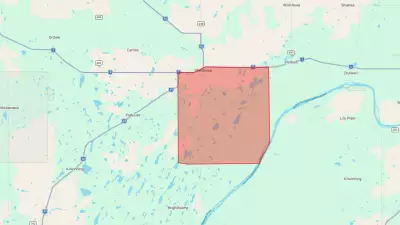
The most critical level is a weather warning, shown in red or magenta. This is issued when severe weather is imminent or already occurring. Ignoring a warning can put lives at risk. Immediate action, such as seeking shelter or altering travel, is required.
Common Alert Types Across the Provinces
The alerts cover a vast range of hazards. In winter, you'll see warnings for blizzards, extreme cold, freezing rain, and heavy snowfall. These were highlighted during events like the winter storm in Toronto on February 13, 2025, and the blowing snow impacting visibility on Manitoba roads.
Summer brings threats like heat warnings, severe thunderstorm warnings, and tornado watches. The recent phenomenon of record-breaking warmth, such as when Calgary broke a daily temperature record and dozens of records were set in Alberta, often triggers heat-related alerts.
Other year-round dangers include fog advisories, like the dense fog forecast for B.C.'s South Coast, and wind warnings. Environment Canada and provincial agencies coordinate to issue these alerts through media, radio, and the Alert Ready emergency broadcast system.
Why the System Matters for Public Safety
This colour-coded framework provides a universal language for weather danger. It helps municipal authorities make critical decisions, such as declaring snow events in Kitchener, Waterloo, and Cambridge, or schools deciding on closures.
For individuals, understanding the difference between a watch and a warning is crucial for appropriate response. A warning for extreme cold, like the extended alert from the Middlesex-London Health Unit, means frostbite can occur in minutes, not hours. Similarly, a rainfall warning signals a risk of flash flooding.
Staying informed saves lives. By recognizing the alert level, Canadians can take proactive steps—whether it's postponing a trip during a winter storm that closed the DVP in Toronto, or checking on vulnerable neighbours during a heatwave. In a country defined by its climate, this system is an essential tool for navigating the elements safely.