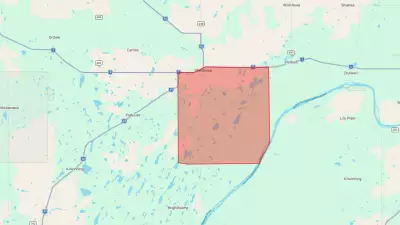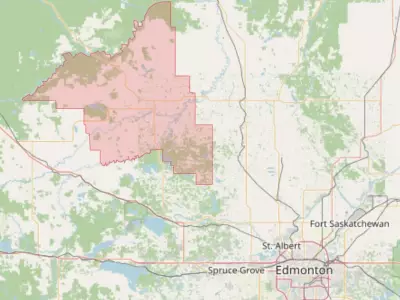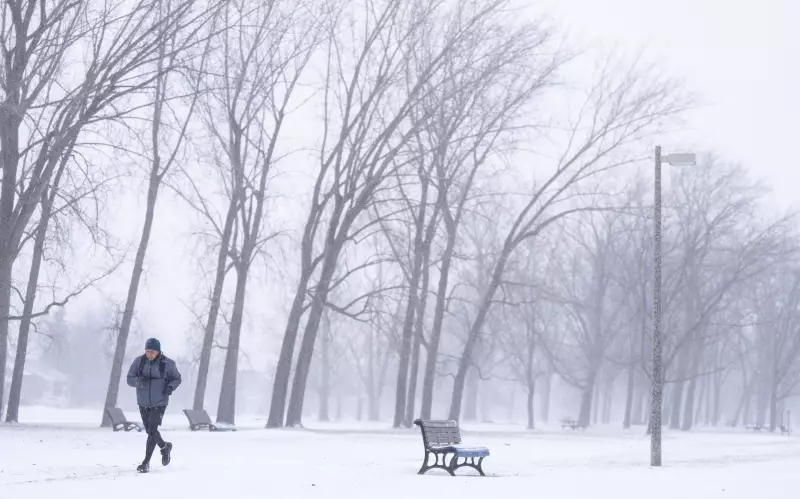
Canada welcomed the new year under a blanket of weather warnings and advisories, with alerts issued for nearly every province and territory on January 1, 2026. The widespread warnings highlighted a turbulent start to the year, affecting celebrations and travel plans from coast to coast.
A Nation Under Advisory
The scope of the alerts was significant, impacting a vast majority of the country. From winter storm warnings and snowfall alerts to wind chill advisories and freezing rain statements, Environment Canada and local meteorological agencies were busy monitoring multiple systems. The active alerts underscored the unpredictable and often severe nature of Canadian winter weather, even on a major holiday.
This event followed closely on the heels of severe winter storms that hammered parts of Ontario and Quebec in the final days of 2025, leading to road closures and event cancellations like Barrie's New Year's Eve celebrations. The persistent severe conditions have strained services, with organizations like the CAA in Barrie warning of record call volumes for roadside assistance.

Contrasting Conditions Across the Country
While many regions braced for cold and snow, the situation varied dramatically. In a stark contrast, Lake Louise Ski Resort in Alberta was enjoying record snow levels, a boon for the ski industry. However, the abundance of snow also raised risks, with Parks Canada issuing urgent safety pleas for backcountry skiers to exercise extreme caution. The dangers were tragically highlighted by a separate incident where a snowmobiler was buried and killed in an avalanche in northeastern British Columbia.
Meanwhile, municipalities like Montreal were dealing with the aftermath of freezing rain, with crews working to repair potholes and clear slippery sidewalks. The conditions created a patchwork of weather-related challenges, from transportation headaches to public safety concerns.
Broader Context and Safety Imperative
The nationwide alerts on January 1st fit into a broader pattern of intense and disruptive weather events. The frequency and severity of such systems continue to be a focal point for climate scientists and emergency planners. The start of 2026 serves as a potent reminder of the environment's powerful influence on daily life and infrastructure.
Authorities consistently emphasize the importance of heeding weather warnings. Preparedness is key, from ensuring vehicles are winter-ready to having emergency kits at home. The advice to plan ahead was echoed by safe ride services on New Year's Eve, which reported busy nights helping revellers get home safely, with advocates stating "one is still too many" when it comes to preventable tragedies.
As Canada moves further into 2026, the widespread weather alerts on its first day act as a call for vigilance and adaptation in the face of the nation's dynamic and sometimes unforgiving climate.