Environment Canada has issued a Yellow Squall Alert for the Barrie region, warning residents of potentially hazardous winter conditions expected to develop mid-week. The alert was announced on January 13, 2026, at approximately 5:03 PM EST.
What the Squall Alert Means for Residents
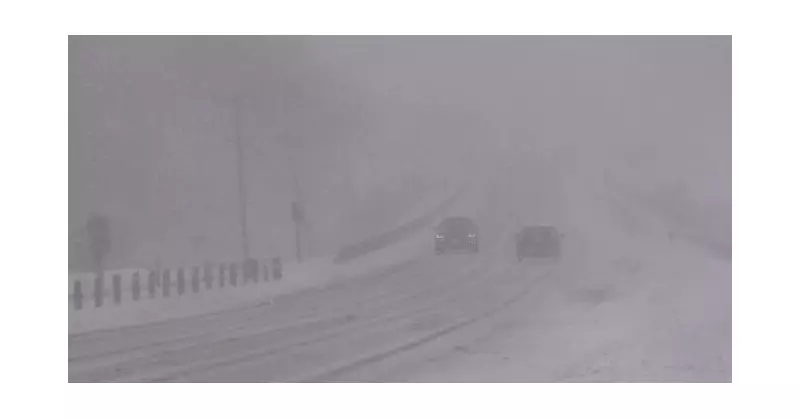
The weather agency's alert signifies a high probability of intense, localized snow squalls moving through the area. These squalls are characterized by sudden, heavy snowfall, significantly reduced visibility, and rapidly accumulating snow on roads. The conditions are reminiscent of a severe event captured on November 27, 2025, when vehicles were seen navigating heavy snow squalls in the London area, illustrating the dangers these weather phenomena pose to motorists.
Timing and Expected Impacts
While the exact timing and duration of the squall activity were being fine-tuned by forecasters, the mid-week alert suggests a significant weather event is imminent. The primary concern is for dangerous travel conditions on highways and local roads within the alert zone. Sudden whiteouts can make driving extremely perilous, leading to increased risk of multi-vehicle collisions and road closures.

Residents are advised to monitor updated forecasts closely. Environment Canada typically provides details on the expected onset, peak intensity, and cessation of squall activity as the system draws nearer.
Safety Precautions and Preparedness
With the alert in effect, officials urge the public to exercise caution. If travel is absolutely necessary during a squall, drivers are reminded to:
- Reduce speed and use low-beam headlights.
- Increase following distance dramatically.
- Be prepared to pull over safely if visibility drops to near zero.
- Ensure vehicles have a winter emergency kit, including blankets, a shovel, and a fully charged phone.
Postponing non-essential travel until the squalls pass is the safest course of action. The alert serves as a critical tool for municipal road crews and emergency services to prepare their response to ensure public safety during the expected winter weather event.