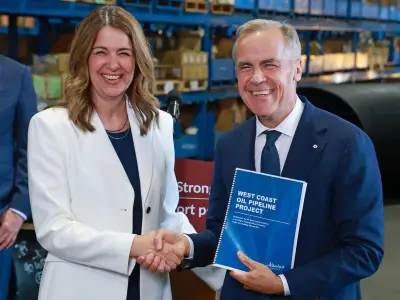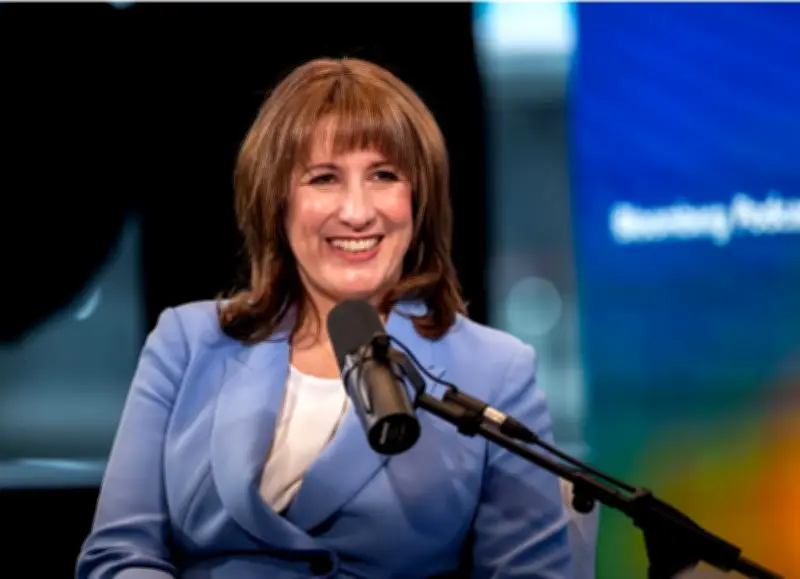
UK Chancellor Rachel Reeves has proposed merging the UK's Multilateral Defence Mechanism (MDM) with Canada's Defence, Security and Resilience Bank (DSRB), arguing that a single institution would be more effective than two separate initiatives. Speaking at the NATO summit in Ankara, Turkey, Reeves stated, "My preference would be to create one new institution that fulfills the role of a number of purposes." She added that the next step is to work on bringing the two proposals together more formally.
Background on the competing defence financing plans
Both the UK and Canada have proposed setting up bodies to provide capital for the defence industry, helping NATO allies finance their rearmament plans. Canadian Prime Minister Mark Carney announced that eight countries—Albania, Belgium, Greece, Latvia, Luxembourg, Romania, Turkey, and Ukraine—have agreed to back the DSRB, which would be headquartered in Canada. Banks such as JPMorgan Chase & Co. and Royal Bank of Canada are also listed as backers.
The UK, however, has refused to join Carney's initiative, despite intense lobbying by the former Bank of England governor. That decision has been widely criticized, including by former UK Defence Secretary John Healey, who resigned last month over funding for his defence investment plan.

Reeves' Multilateral Defence Mechanism
Instead of joining the DSRB, Reeves set up the MDM to address her concerns that Canada's proposal does not include stockpiling and procurement provisions and is more focused on lending to smaller defence firms in nations with lower credit ratings. She said the MDM initiative would save the UK as much as 20 per cent on procurement.
On Tuesday, the UK, Poland, the Netherlands, and Finland said they were making "significant progress" on the MDM, with the UK contributing an initial £600 million (US$802 million). Reeves insists the MDM and DSRB are complementary, but no country has yet signed up to both.
Next steps and political context
Reeves is expected to depart as Chancellor when Prime Minister Keir Starmer leaves office as soon as this month. The likely next British premier, Andy Burnham, and former Prime Minister Gordon Brown have both previously suggested some defence spending should be exempt from Reeves' self-imposed fiscal restrictions.
The UK recently enlisted Brown to lead discussions with Canada on avoiding potential overlap between the efforts. Reeves said the UK mechanism will enable allies with high credit ratings to borrow at low rates to stockpile military hardware, done off government balance sheets until the reserves are drawn down in wartime. For the UK specifically, this would also avoid violating Reeves' fiscal rules.
Starmer's government has been under pressure to raise defence outlays further. Healey and his successor, Dan Jarvis, have called for the UK to set out milestones showing how it will reach defence spending of 3.5% of gross domestic product. Reeves told reporters that a trajectory would be set out at next year's spending review, but only for the next two to three years.