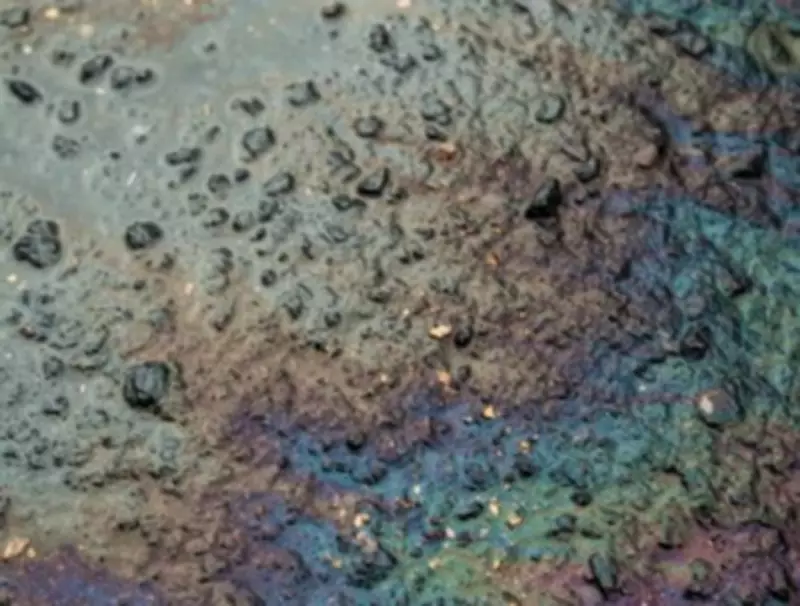
Fuel Oil Spill in Minden Hills Leads to Water Contamination
A concerning fuel oil spill has been reported in the Minden Hills area, resulting in the contamination of local water sources. This incident has sparked immediate environmental and public health concerns, as authorities work to contain the spill and mitigate its effects.
Details of the Spill and Initial Response
The spill, which involved a substantial amount of fuel oil, occurred recently, though the exact date and cause are still under investigation. Emergency responders and environmental agencies were quickly dispatched to the scene to assess the situation and begin cleanup operations. Initial reports indicate that the spill has affected nearby waterways, posing risks to aquatic life and potentially impacting drinking water supplies for residents in the region.
Local officials have urged caution, advising residents to avoid using water from affected sources until further notice. Water quality testing is underway to determine the extent of contamination and ensure public safety. The spill highlights the ongoing challenges of managing hazardous materials in rural and environmentally sensitive areas.

Environmental and Community Impact
The contamination from the fuel oil spill could have long-lasting effects on the local ecosystem. Fuel oil is known to be toxic to plants and animals, and its presence in water can lead to reduced oxygen levels, harming fish and other aquatic organisms. Cleanup efforts are expected to be complex and costly, requiring specialized equipment and expertise to remove the oil and restore the affected areas.
Community members in Minden Hills have expressed alarm over the incident, calling for stricter regulations and better oversight to prevent similar spills in the future. Environmental advocates are emphasizing the need for proactive measures to protect water resources, especially in regions prone to such accidents due to industrial or transportation activities.
Ongoing Investigations and Future Steps
Authorities are conducting a thorough investigation to identify the source of the spill and determine liability. This may involve examining nearby facilities, transportation routes, or storage sites that handle fuel oil. Lessons learned from this event could inform policy changes aimed at enhancing spill prevention and response protocols.
In the meantime, residents are encouraged to stay informed through official channels and report any unusual water conditions. The incident serves as a stark reminder of the importance of environmental stewardship and the need for robust systems to address pollution emergencies promptly.