The recent independent review of British Columbia's CleanBC roadmap delivers a clear verdict: the plan is working, but the province must move faster. According to the analysis, B.C. is currently on track to achieve only half of its legislated target of reducing greenhouse gas emissions by 40% by 2030. This shortfall underscores an urgent need to accelerate the clean energy transition across the province.
Community Power: The Engine for Acceleration
Curran Crawford, drawing on years of experience co-designing energy projects, argues that the greatest potential for rapid progress lies with the people already driving change on the ground. Across B.C. and Canada, small- to mid-sized and Indigenous communities are actively building the foundation for a cleaner, more resilient energy economy. They are assessing local energy needs, exploring renewable resources, training youth, and forming collaborative networks.
However, ambition and intention are not enough. Our research and direct community feedback consistently show that local leaders are eager to act but lack the sustained resources, practical tools, and long-term funding to deliver measurable results. Providing these supports is critical to unlocking local economic potential and achieving provincial climate goals.

Measuring Progress People Can See and Feel
The CleanBC review panel emphasized a crucial shift in how success is measured. Instead of relying solely on abstract emissions targets, the report advocates for indicators that resonate with people's daily lives. Tracking tangible changes—like the number of heat pumps installed in homes, the availability of electric vehicle chargers in towns, or energy efficiency upgrades in neighbourhoods—gives residents a clear sense of positive change.
Translating these upgrades into household savings and new local opportunities helps build broader, lasting political support for climate initiatives. This community-centric approach makes the energy transition more visible and personally beneficial.
Key Recommendations for a Coordinated Framework
The review outlines several actionable recommendations to scale up success:
- Account for regional differences across B.C.'s diverse landscapes and economies.
- Improve data transparency from utilities to support better planning and coordination.
- Centre local governments and First Nations as essential partners, advancing both climate goals and economic reconciliation.
Implementing these steps would help align municipal, provincial, and federal objectives within a single, effective framework. Furthermore, the panel calls for extending funding cycles to enable long-term community planning and breaking down barriers to collaboration between organizations.
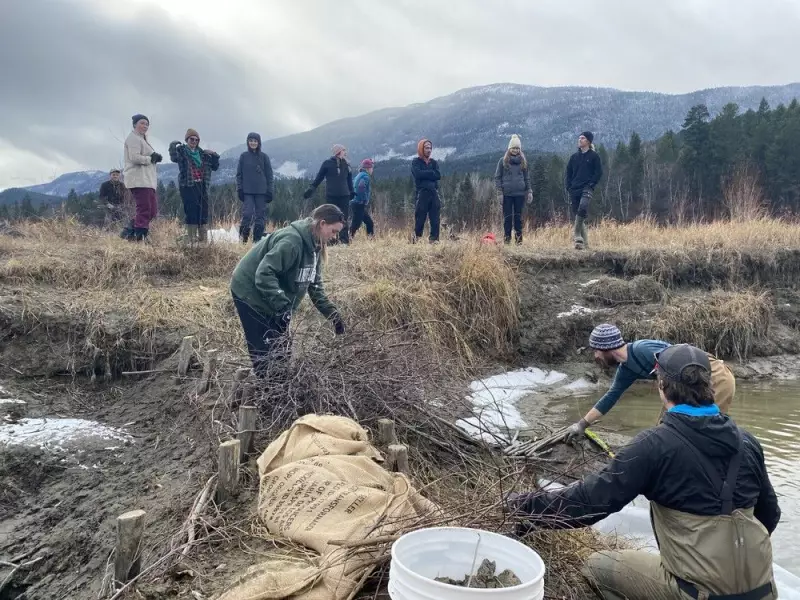
The proposal for a citizens’ assembly on a sustainable economy complements this strategy, recognizing that inclusive dialogue is vital. Ensuring government investments reflect the real priorities of communities throughout B.C. is key to a just and effective transition. The hands-on work of groups like the Youth Climate Corps exemplifies the powerful contribution of equipping the next generation to lead community-level climate action.
The message is unequivocal: B.C.'s clean energy future depends on empowering its communities with the right tools and resources. By focusing on tangible, local results, the province can close the emissions gap and build a stronger, more equitable economy for all.