One of the most persistent misconceptions in Canada's energy debate is that the best sites for large-scale hydroelectricity have already been developed, while what remains is marginal, impractical or environmentally untenable. It's a convenient narrative, but it's not true.
Canada still has an estimated 150,000 megawatts or more of untapped hydro power potential. That's nearly double the country's current capacity and is equivalent to the output of almost 500 small nuclear reactors. Moreover, roughly 10,000 megawatts consists of identified projects already on the books — viable, scoped and in many cases years into planning. These projects are stalled by decisions within our control: policy, regulatory timelines and financing conditions.
Hydro power is the backbone of Canada's electricity system
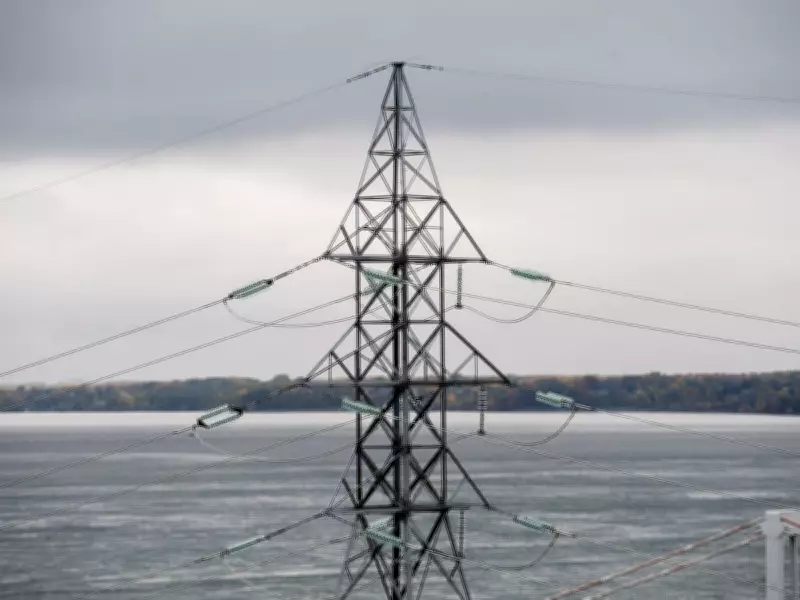
Hydro power already provides more than half of Canada's electricity and more than 86 per cent of its renewable generation. It is the backbone of our system. Without it, we have no credible path to electrification at scale. Electricity demand is projected to increase by as much as 80 per cent by 2050, yet we are failing to expand one of the few forms of generation that can meet that demand reliably.

Much current discussion focuses on expanding wind and solar. It's true that battery storage can help manage short-term fluctuations. But sustained, on-demand generation remains essential. Hydro power makes the electricity system work: it provides firm, dispatchable electricity that stabilizes the grid and ensures reliability during peak demand and supply shortfalls.
Regulatory barriers and overlapping approvals
So why aren't we building? The first answer is regulation. Hydro power projects must navigate federal and provincial permitting, overlapping jurisdictional requirements and Indigenous partnership and consultation — processes that are often unpredictable in scope and duration. Timelines can stretch well beyond a decade. Costs escalate. Investors hesitate or walk away.
Much near-term opportunity lies in upgrading and expanding existing facilities, not building entirely new ones. Such projects are often more cost-effective and have a lower environmental impact — yet they face the same regulatory burden as new developments. That limits one of the most practical pathways to expanding capacity.
Everyone agrees that environmental protection and Indigenous participation are non-negotiable. But duplicated reviews and undefined timelines add cost and risk without proportional benefit. Canada has created processes that make it much easier to announce climate targets than to build the infrastructure required to meet them. Streamlining these processes — without weakening their substance — is a legitimate and necessary reform.
Financing challenges for long-lived assets
The second barrier is financing. Hydro power projects are capital-intensive. Large facilities can cost tens of billions of dollars upfront. The estimate for Gull Island in Labrador is roughly $25 billion. On the other hand, projects are also built to last and often operate for 80 to 100 years or more. Yet financing models typically do not recognize these long lifespans, leading to higher costs and less investment.
To unlock Canada's hydro potential, policy reforms must address both regulatory duplication and financing mismatches. By reducing approval timelines and creating financial instruments that reflect the longevity of hydro assets, Canada can accelerate the development of clean, reliable power for generations to come.