New Case of Dutch Elm Disease Confirmed in Edmonton Neighborhood
City officials have confirmed a new case of Dutch elm disease in a north-central Edmonton neighborhood, raising concerns about the health of the city's urban forest. The discovery was announced on November 19, 2025, adding to previous cases identified in the city earlier this year.
Understanding the Threat to Edmonton's Elm Trees
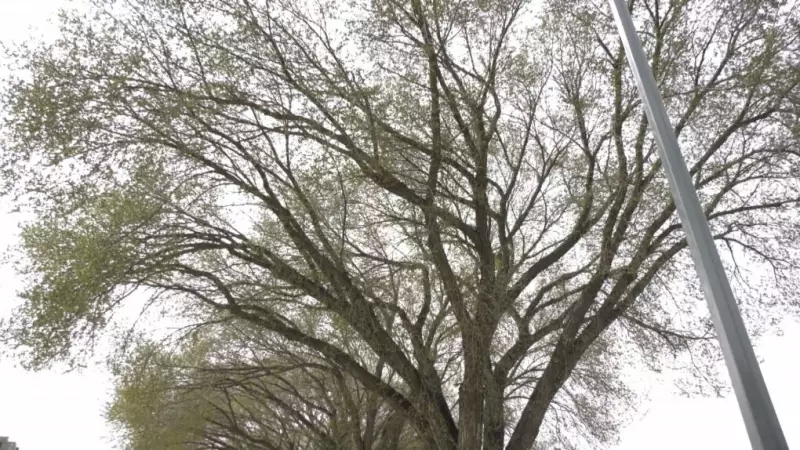
Dutch elm disease represents a significant threat to Edmonton's tree canopy, particularly affecting the majestic American elm trees that line many city streets. This fungal disease spreads primarily through elm bark beetles and can also transmit through root systems connecting adjacent trees. The confirmation of this new case comes just months after four previous infections were identified in Edmonton during the summer of 2024.
The disease has been monitored closely by city forestry officials who conduct regular inspections throughout the warmer months when symptoms become most apparent. Edmonton's elm tree population represents one of the last major stands of healthy American elms in North America, making their protection particularly important for the city's ecological heritage.

City Response and Preventive Measures
Edmonton's forestry department has implemented immediate containment protocols following the discovery. Infected trees will be removed and properly disposed of to prevent further spread of the disease. The city is also conducting enhanced surveillance in surrounding areas to identify any additional cases early.
Residents in affected neighborhoods are being advised to watch for symptoms in their own trees, including:
- Wilting or yellowing leaves during summer months
- Brown streaks under the bark of twigs
- Premature leaf drop
- Dieback starting at the top of the tree
The city reminds property owners that pruning of elm trees is prohibited between April 1 and September 30 each year, as fresh pruning wounds can attract the beetles that spread the disease. All elm wood must be properly disposed of at designated sites rather than kept for firewood.
Long-term Implications for Urban Forestry
This latest case underscores the ongoing challenge municipalities face in protecting urban forests from invasive pests and diseases. Edmonton has developed a comprehensive Dutch elm disease management plan that includes monitoring, rapid response to infections, public education, and research into resistant tree varieties.
The economic and environmental value of Edmonton's elm trees is substantial, providing shade that reduces cooling costs, improving air quality, increasing property values, and contributing to the city's aesthetic appeal. The loss of these trees would represent a significant blow to the urban landscape.
City forestry officials encourage residents to report any suspected cases of Dutch elm disease promptly and to cooperate with inspection and management efforts. With community vigilance and proper management practices, Edmonton hopes to preserve its cherished elm canopy for future generations.