Edmonton Launches Community Visioning Process for Historic Power Plant
The City of Edmonton is embarking on an innovative community engagement process to determine the future of one of its most iconic industrial landmarks. The Rossdale Power Plant, which has stood as a defining feature of the river valley skyline since the 1930s, represents both a significant heritage asset and a substantial redevelopment opportunity for Alberta's capital city.
Preserving Industrial Heritage Through Adaptive Reuse
David Johnston, principal heritage planner for the City of Edmonton, emphasizes the importance of thoughtful preservation rather than wholesale transformation. "We can't just rip out walls and knock things down and reinvent it into something modern and new," Johnston explained, highlighting the city's commitment to maintaining the building's historical integrity while finding new purpose for the decommissioned facility.
The power plant holds particular significance as Edmonton's first electrical generation facility, operating until 2008 and at one point producing approximately one-quarter of all electricity in Alberta. "There's probably not many people who can remember the city without the plant," Johnston noted, underscoring its deep connection to Edmonton's identity and development.

Community Input Shapes Future Vision
Since November, the city has been actively soliciting ideas through a Request for Information process that will remain open until the end of April. This approach represents a departure from traditional procurement methods, according to Avril McCalla, project lead for the broader River Crossing redevelopment initiative.
"Our hope is that those will provide us some guidance on what expectations are from the community, from the market, and what it looks like to bring this thing forward," McCalla stated regarding the submissions being gathered. This marks the first time Edmonton has employed this particular strategy for the power plant's repurposing, following numerous previous proposals that failed to gain traction.
Historical Artifacts Tell Stories of Edmonton's Past
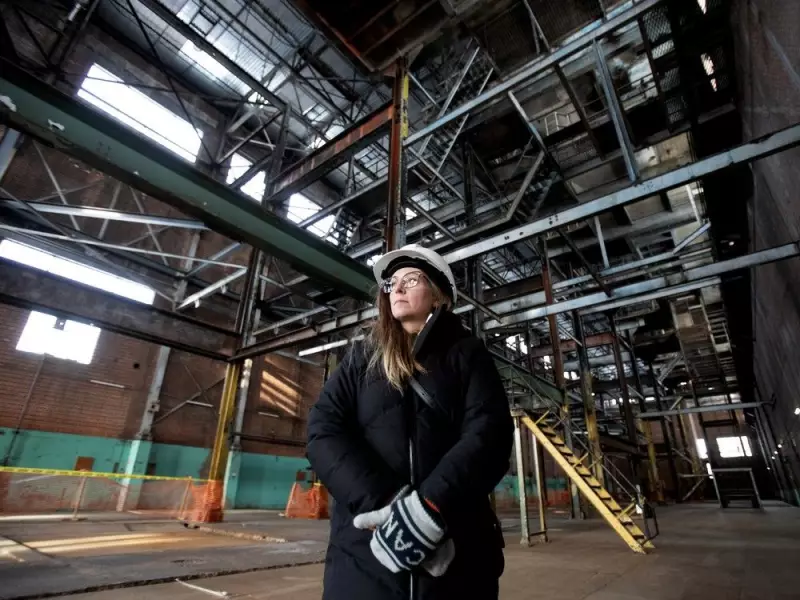
Within the plant's cavernous turbine room, visitors encounter tangible connections to the building's operational history. Handwritten notes on walls document significant moments, including one marking the "last run of 10,000 parsons" from February 4, 1951, another noting a "first snow" in October 1943, and additional markings from the 1980s.
Johnston speculates about these informal records: "Just little notes and things like that, I guess they were either doing replacement repair kind of work. In lieu of any sort of formal documentation, they'd sketch it on the wall I guess." Some messages appear to have been scribbled out over time, adding layers to the building's narrative.
Learning from Past Proposals
The city's current initiative follows the rejection of several previous concepts, most notably the Prairie Sky Gondola project that would have connected Downtown to Old Strathcona with a planned stop near the power plant. That proposal was defeated in a decisive 12-1 vote by city council, demonstrating the challenges of finding appropriate uses for such significant heritage structures.
Located in the flats just south of Downtown Edmonton, the Rossdale Power Plant has been fully decommissioned for nearly fifteen years. The building's massive brick structure and distinctive smoke stacks continue to overlook the North Saskatchewan River, presenting both preservation challenges and redevelopment opportunities as part of the broader River Crossing area revitalization.
Following the April deadline for submissions, city officials will review the collected ideas before moving toward more formal procurement processes. This community-driven approach represents Edmonton's latest effort to balance heritage conservation with contemporary urban needs, ensuring that future generations can appreciate this important piece of Alberta's industrial history while benefiting from its adaptive reuse.