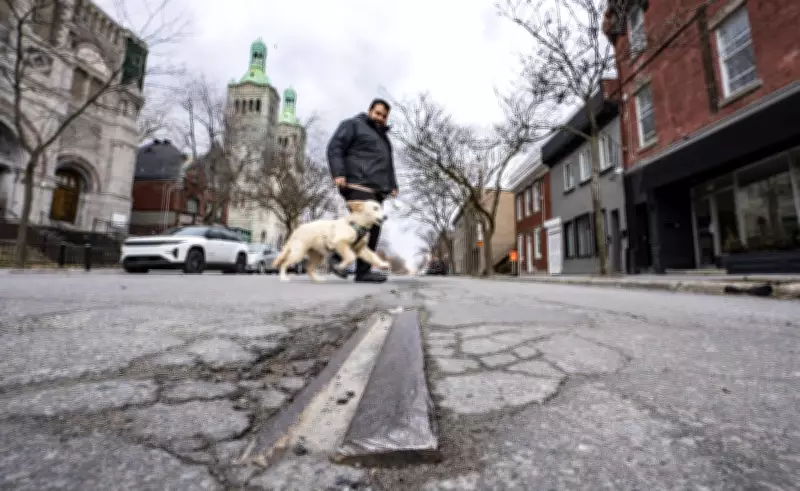
In the Pointe-Saint-Charles neighbourhood of Montreal, a piece of the city's transportation history literally pushes its way to the surface each year. As the spring thaw sets in, the asphalt on Montreal's streets cracks and shifts, unearthing long-buried streetcar tracks that have lain dormant for over six decades.
A Glimpse into Montreal's Transit Past
These exposed tracks serve as tangible reminders of a public transit system that once crisscrossed the city. The last streetcar in Montreal retired more than 65 years ago, yet these iron relics continue to emerge from beneath the pavement, much to the fascination of residents and historians alike.
The Annual Unveiling
The phenomenon occurs predictably each spring when temperature fluctuations cause the ground to heave and contract. This natural process breaks apart the asphalt overlay, revealing sections of track that were never fully removed when the streetcar system was decommissioned. Instead, many tracks were simply paved over, creating a hidden infrastructure that now periodically resurfaces.

Urban archaeologists and transportation historians note that these appearances provide valuable insights into Montreal's development patterns and transit evolution. The tracks represent not just transportation corridors but also the economic and social pathways that shaped neighbourhoods like Pointe-Saint-Charles.
Preservation Challenges and Opportunities
City officials face ongoing challenges with these resurfacing tracks, which can create driving hazards and require maintenance. However, some community advocates see them as opportunities to preserve and interpret Montreal's transportation heritage.
"These tracks are like time capsules," explains one local historian. "They tell the story of how Montrealers moved around their city before the automobile became dominant. Each spring, we get another chapter of that story revealed."
The exposed tracks have sparked conversations about:
- How cities preserve transportation history
- The environmental factors that affect urban infrastructure
- The cyclical nature of urban development and decay
- Potential for historical interpretation at these sites
Looking Forward While Remembering the Past
As Montreal continues to develop its modern public transit network with expanded metro lines and electric buses, these springtime appearances of century-old streetcar tracks serve as poignant reminders that transportation systems leave lasting imprints on urban landscapes. The tracks that emerge each April connect contemporary Montrealers with their city's transit history in the most direct way possible—right beneath their feet.