Victoria Park: Calgary's Historic Neighborhood at a Transportation Crossroads
For newcomers to Calgary, Victoria Park represents one of the city's second oldest communities, originally established as East Ward in the 1880s before receiving its current name in 1905. Today, this area is more commonly known as the Beltline, a designation created in 2003 when three distinct communities south of downtown—Victoria Park, Connaught, and South Downtown—merged for urban planning purposes. The Victoria Park Business Improvement Area has preserved the neighborhood's original identity, maintaining boundaries from the CPKC railway tracks to 17th Avenue and from the Elbow River to 4th Street S.W.
From Forgotten District to Budding Urban Village
Over the past two decades, Victoria Park has undergone a remarkable transformation from what many considered a neglected neighborhood. The area once characterized by aging cottage homes, boarding houses, deteriorating red-brick warehouses, and tired walk-up apartments has evolved into a burgeoning 21st-century high-rise urban village. This dramatic change has occurred largely through private sector investment, without the substantial public infrastructure funding that has supported other Calgary revitalization projects.
The Heart of Victoria Park: First Street's Vibrant Character
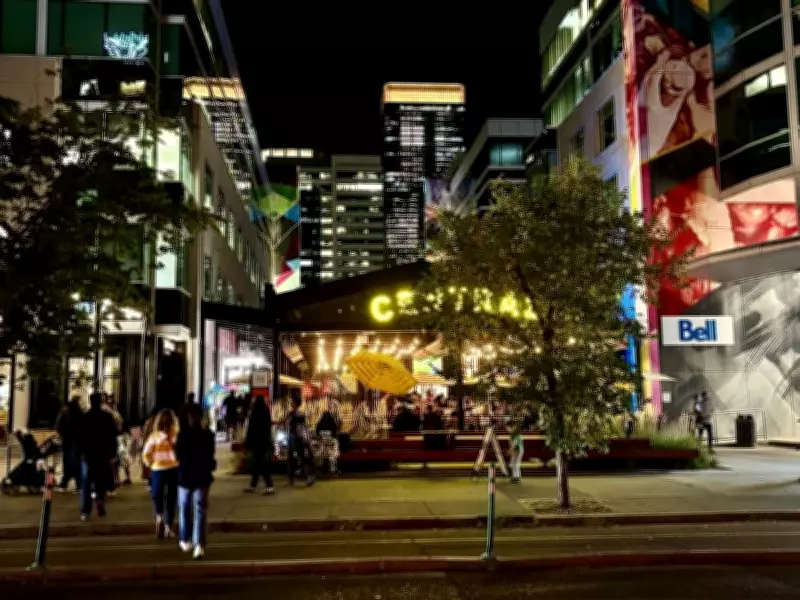
Every successful urban village requires a central gathering place, and Victoria Park has developed First Street (1st Street S.W. from 10th to 17th Avenue S.W.) as its vibrant main thoroughfare. This eclectic corridor features an appealing mix of establishments including:

- Funky bars and traditional pubs like Bottlescrew Bill's
- Hip restaurants including Ten Foot Henry and Pat and Betty
- A Starbucks café and various fitness and yoga studios
- O'Connor's Men's and Ladies clothing stores, established in 1958
The neighborhood boasts two modern food halls—the First Street Market and The District at Beltline—offering upscale local chef cuisine without chain restaurant presence. Victoria Park also serves as home to two major hotels along 12th Avenue S.W., the Art Hotel and Fairfield by Marriott Inn and Suites, alongside iconic heritage sites including Memorial Park and Library and Haultain School.
Community Identity and Residential Growth
Victoria Park has cultivated its own signature festival, Night Lights, which attracted 65,000 visitors over three nights in September to experience light installations at eight different locations. While the neighborhood includes Stampede Park, the Calgary Stampede maintains its distinct identity and programming separate from Victoria Park's community development.
The residential transformation has been particularly striking, with 4,664 new homes constructed across 19 residential towers over the past twenty years. This development includes both condominiums and purpose-built rental properties. Notably, while East Village receives considerable media attention for its $350 million infrastructure upgrades and major cultural institutions, Victoria Park has experienced twice as much residential development with minimal new infrastructure investment.
Current Development and Transportation Challenges
Several major residential projects are currently underway in Victoria Park, including Vesta Properties' Broadway on 17th development. This ambitious project will add 1,000 homes across three residential towers, with the tallest reaching 47 storeys, at the northeast corner of 17th Avenue and 4th Street S.W. The development will feature a multi-story retail and entertainment complex at street level, creating a significant new hub where Victoria Park, 17th Avenue, and 4th Street/Mission converge.
The critical question facing Victoria Park's continued evolution centers on transportation infrastructure. As residential density increases and commercial activity expands, transportation planning decisions will fundamentally determine whether Victoria Park achieves its potential as a complete urban village or faces challenges to its vitality. The neighborhood's future success depends on thoughtful integration of transportation solutions that support both current residents and projected growth while maintaining the area's unique character and accessibility.