Following city council's approval earlier this week, Calgary has charted a path to conserve more water in the coming years. The new water efficiency plan aims to curb Calgary's water demand by 20 per cent by 2040 through 11 actions to reduce overall usage and minimize water loss in distribution.
Many Calgarians still have questions about why the plan is being adopted and how it will impact household water use. Here is a breakdown of what you need to know.
What is the water efficiency plan?
The plan replaces a previous water conservation strategy from 2005 called '30 in 30,' which aimed to reduce per-capita water usage by 30 per cent in 30 years, from 518 litres per person per day to 350 litres. The city says this target was achieved by 2023, over a decade early, but conservation efforts have since plateaued while Calgary's population has surged.

Current water consumption is around 315 litres per person per day. The new plan aims to bring that down to 285 litres per person per day. To achieve this, the city will introduce a mandatory lawn and landscaping schedule, replace over 400,000 water meters with modern technology by 2031, and repair leaky water mains that lose billions of litres of treated water annually.
Other measures include keeping withdrawal rates from the Bow and Elbow rivers below 233,000 megalitres per year by 2040, expanding water efficiency programs like the rain barrel rebate, and offering incentives for water-wise landscaping.
Why is Calgary doing this?
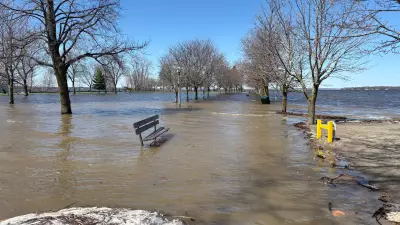
The strategy is driven by concerns over drought and water scarcity due to declining levels in the Bow and Elbow rivers, Calgary's drinking water sources. Rapid population growth in Calgary, Airdrie, and Chestermere has amplified worries about water supply.
"Where this plan comes from is an understanding that we're bringing more people into the city, we've got more development, aging infrastructure, and water quantity issues," said Dr. Kerry Black, a civil engineering professor at the University of Calgary. "There's maybe less water because of shorter winters, less snowmelt, and longer, drier summers, so reservoirs aren't filling up as much, requiring us to reduce water use."
What does this mean for garden watering?
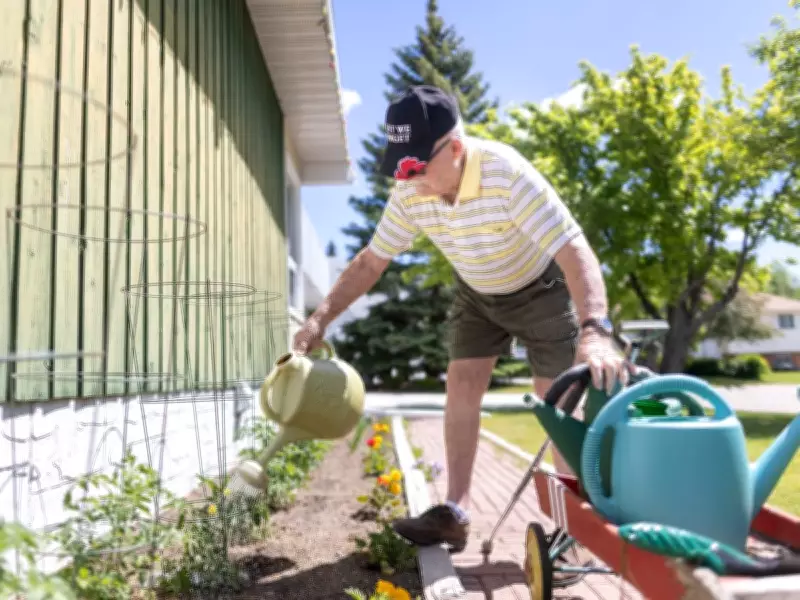
Under the new rules, lawn watering will be restricted, but residents can still use hoses and watering cans to water their gardens. The specific schedule for lawn watering will be announced by the city. The plan encourages water-wise landscaping and offers incentives for residents to adopt drought-tolerant plants and efficient irrigation methods.