The City of Calgary is implementing a series of proactive contingency measures to protect communities in the event of another break along the critical Bearspaw South water feeder main, even as repair efforts on the massive pipeline continue. Officials stress that the sight of mitigation work in neighbourhoods is about preparedness, not an expectation of imminent failure.
Delicate Return to Service Carries Inherent Risks
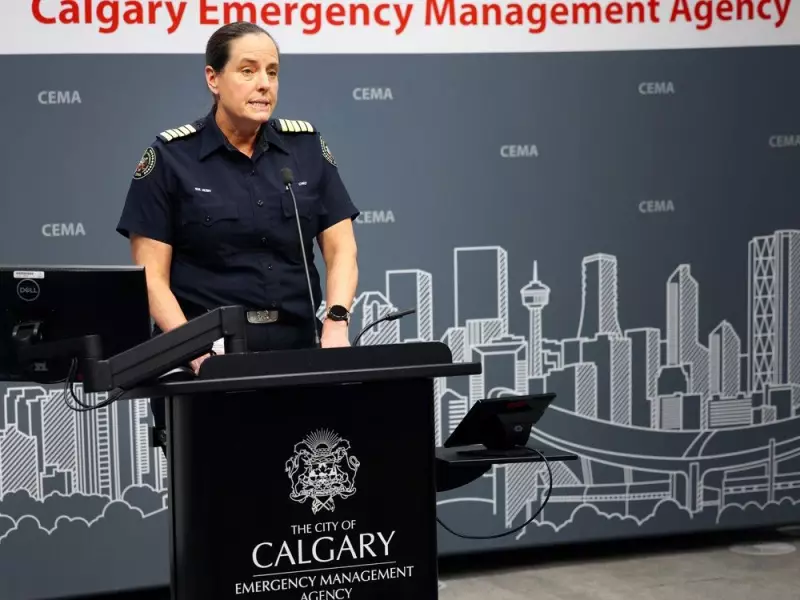
Sue Henry, Chief of the Calgary Emergency Management Agency (CEMA), explained that returning the 14-kilometre feeder main to service is a delicate operation. She acknowledged the inherent risk of a future break somewhere along the extensive pipeline's length during the reactivation process. The city is not taking any chances, with every decision centered on community protection.
On-the-Ground Mitigation Efforts Underway
Over recent days, crews have been actively preparing specific areas for potential water influx. Henry outlined the work, which includes removing sections of berms along Montgomery Boulevard N.W. and installing temporary barriers along the Bow River Pathway near Parkdale Boulevard N.W. between 30th and 33rd Streets.

Additional preparedness actions involve clearing catch basins, opening river outflows, and replacing select manhole covers with versions that allow for faster drainage. Residents near the feeder main corridor may notice an increased presence of utility teams, city work crews, the Calgary Fire Department, police, and peace officers as these plans are finalized. Sandbags are also on standby for rapid deployment if required.
Public Urged to Maintain Water Conservation Efforts
Despite the progress on repairs, city officials are making a renewed plea for Calgarians to conserve water. On Sunday, January 12, 2026, water use was tracked at approximately 505 million litres, an increase from the previous day.
Henry emphasized the need to return to the "green zone" of sustainable water use, which is below 485 million litres per day. Even being in the "yellow zone" places significant strain on the system, compromising its safe operation and depleting emergency reserves.
"We all need to aim to save 25 to 30 litres per person per day," Henry stated, underscoring that this conservation is vital to ensure adequate water supply for essential services like firefighting, hospitals, and household needs.
The city's dual-focus strategy combines engineering preparedness with public cooperation to navigate the ongoing challenges posed by the critical feeder main's vulnerability.