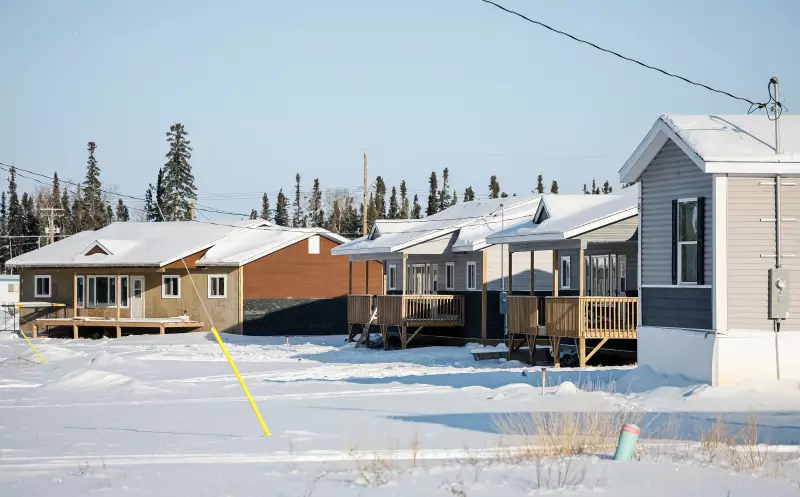
The Canadian Armed Forces are mobilizing to assist a northern Manitoba First Nation grappling with a severe public health emergency caused by failing water and sewage systems. The community is contending with frozen pipes and sewer backups following a recent utility outage, creating urgent humanitarian concerns.
Military Mobilizes for Infrastructure Emergency
In response to the escalating crisis, the military is deploying additional workers and specialized heating equipment to the affected First Nation. The core mission is to address the immediate threats posed by the frozen pipes and sewer backup, which have compromised the community's access to clean water and safe sanitation. This intervention underscores the severity of the infrastructure failure that local resources alone cannot currently resolve.
Context of a Recurring National Challenge
This incident is not isolated but part of a broader, persistent pattern of water insecurity in many Indigenous communities across Canada. The deployment highlights the ongoing struggle with aging and vulnerable infrastructure in remote areas, particularly under harsh winter conditions. The situation echoes other recent emergencies, such as the planning for an evacuation in Kashechewan First Nation after a water system failure.

The military's role will focus on providing technical support and temporary solutions to stabilize the situation. The goal is to restore basic services and prevent further health risks to residents, especially as the region endures extreme winter weather.
Broader Implications and Community Impact
The crisis has disrupted daily life and poses significant health risks due to the lack of potable water and functional sanitation. Community leaders have been advocating for immediate aid and long-term infrastructure investments to prevent such emergencies from recurring.
This deployment, initiated in January 2026, represents a critical, short-term response to a deep-seated issue. It brings national attention back to the urgent need for sustainable, reliable water and wastewater systems in First Nations communities, a fundamental commitment that remains unfulfilled for many across the country.