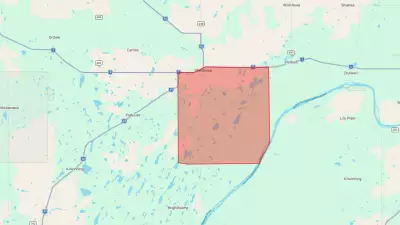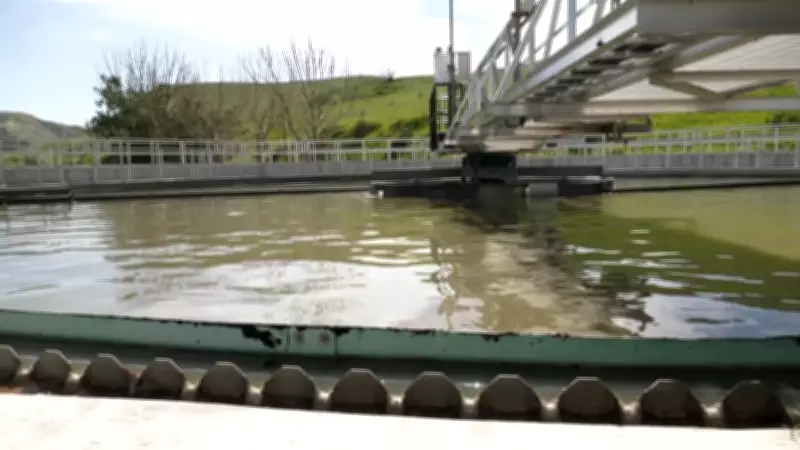
In Lethbridge, Alberta, the local wastewater treatment plant is facing a pressing need for critical upgrades, with officials and environmental experts emphasizing an "absolute need to act" to address aging infrastructure and compliance issues. The facility, which processes sewage and industrial waste for the city, has been flagged in recent audits for potential failures that could impact water quality and public safety.
Growing Concerns Over Infrastructure Deficiencies
Recent reports indicate that the plant's systems are outdated, struggling to keep pace with modern environmental regulations and increasing population demands. Without timely interventions, risks of overflow, contamination, and regulatory breaches loom large, posing threats to the local ecosystem and community health.
Environmental and Health Implications
The need for upgrades is not merely a matter of maintenance but a critical step to prevent pollution in nearby water bodies and ensure safe disposal practices. Experts warn that delays could exacerbate existing issues, leading to costly fines and long-term damage to Lethbridge's reputation as a sustainable city.

Community and Government Response
Local residents and advocacy groups have voiced strong support for immediate action, citing concerns over water quality and environmental stewardship. Meanwhile, municipal authorities are exploring funding options and timelines for the upgrades, though challenges in budget allocation and project planning persist.
Looking Ahead: Solutions and Challenges
Potential solutions include integrating advanced filtration technologies and expanding capacity to handle future growth. However, securing adequate resources and navigating bureaucratic hurdles remain significant obstacles. Stakeholders urge collaborative efforts between government, industry, and the public to expedite the process and safeguard Lethbridge's water infrastructure for generations to come.