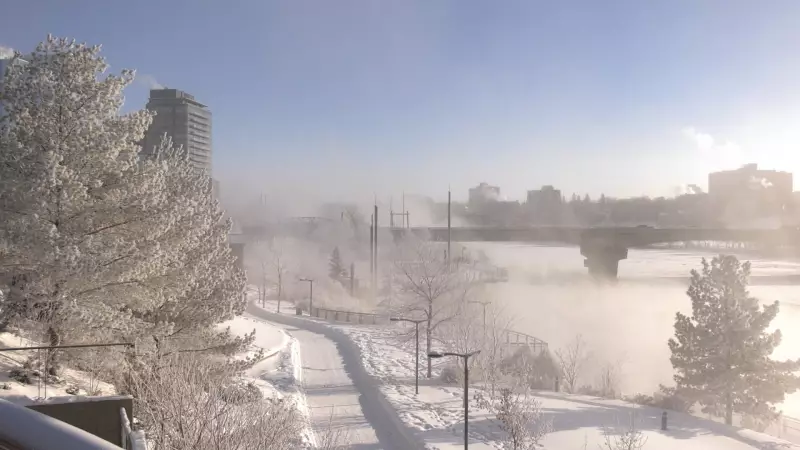
Saskatoon Fire Officials Issue Critical Warning as Extreme Cold Snap Elevates House Fire and Carbon Monoxide Dangers
Fire officials in Saskatoon are sounding the alarm as a severe cold snap grips the city, dramatically increasing the risks of house fires and carbon monoxide poisoning for residents. With temperatures plummeting to a bone-chilling -36°C on January 23, 2026, the extreme weather conditions are creating a perfect storm for potential home safety hazards.
Heightened Dangers During Frigid Conditions
The intense cold wave sweeping through Saskatoon has prompted fire authorities to issue urgent safety advisories to the community. When temperatures drop to such extreme lows, residents often rely more heavily on heating systems, space heaters, and other warming devices, which can significantly elevate fire hazards if not properly maintained or operated.
Carbon monoxide poisoning becomes particularly concerning during cold snaps as people tend to keep their homes tightly sealed against the cold, potentially trapping dangerous gases inside. Improperly vented heating appliances, blocked chimneys, and malfunctioning fuel-burning equipment can all contribute to deadly carbon monoxide buildup in enclosed spaces.

Essential Safety Precautions for Saskatoon Residents
Fire officials are emphasizing several critical safety measures that Saskatoon homeowners and renters should implement immediately:
- Install and regularly test carbon monoxide detectors on every level of your home, particularly near sleeping areas
- Ensure proper ventilation for all fuel-burning appliances, including furnaces, water heaters, and fireplaces
- Maintain clear space around heating equipment and never use ovens or stoves as primary heat sources
- Have chimneys and heating systems professionally inspected before heavy winter use
- Create and practice a home fire escape plan with all household members
The Science Behind Cold Weather Fire Risks
Extreme cold presents unique challenges for home safety that many residents might not fully appreciate. Frozen pipes can burst and cause water damage that creates electrical hazards, while the increased use of extension cords for space heaters can overload circuits. Additionally, the dry winter air combined with indoor heating creates ideal conditions for static electricity buildup, which can ignite flammable materials.
Fire officials note that during previous cold snaps, they've observed a concerning pattern of preventable incidents. Improper use of portable heaters accounts for a significant percentage of winter house fires, often resulting from placing them too close to combustible materials like curtains, furniture, or bedding.
Community Response and Preparedness
Saskatoon's emergency services are on high alert during this extreme weather event, with fire crews prepared to respond to increased call volumes. The fire department is working closely with other municipal agencies to ensure vulnerable populations, including seniors and those in temporary housing, receive appropriate safety information and support.
Residents are encouraged to check on neighbors, particularly elderly community members who might be more susceptible to both the cold and potential safety hazards. Community centers and public buildings can serve as warming centers for those whose heating systems might be inadequate or malfunctioning during the extreme temperatures.
As the cold snap continues, Saskatoon fire officials stress that prevention remains the most effective strategy against winter home hazards. Regular maintenance of heating systems, proper installation of safety devices, and cautious use of supplemental heating sources can dramatically reduce risks during these challenging weather conditions.