Officials in Waterloo Region have issued a significant warning that concerns over water system capacity could directly impact the approval and progress of proposed development projects. The announcement highlights a growing tension between rapid regional growth and the physical limits of essential municipal infrastructure.
Infrastructure Limits Meet Development Demands
The core issue centers on whether the existing water supply and distribution network, including key facilities like the Mannheim Reservoir and Pumping Station in Kitchener, can handle the increased demand that new residential and commercial projects would bring. Regional staff are now tasked with evaluating proposed developments against these capacity constraints, a process that could lead to delays or required modifications for builders.
This challenge emerges as Waterloo Region continues to experience substantial population growth and economic expansion. The need for more housing is acute, but it must be balanced against the practical realities of delivering essential services. Water capacity is a non-negotiable foundation for any community, and exceeding system limits poses risks to both new and existing residents.

The Role of Key Facilities
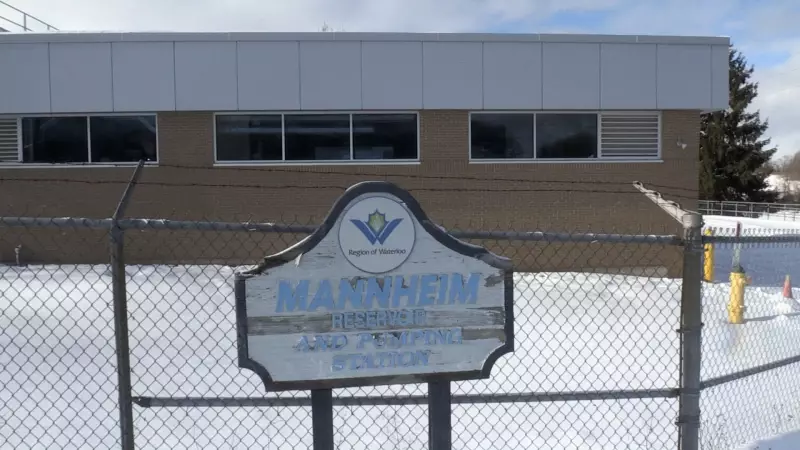
The Mannheim Reservoir and Pumping Station, photographed in early December 2025, represents a critical node in the region's water infrastructure. Its capacity and the condition of the connecting pipelines are central to the current assessment. Officials have not specified if immediate upgrades are planned for this or other facilities, but the public warning suggests a strategic review is underway.
This situation is not unique to Waterloo Region but reflects a broader challenge faced by many growing municipalities across Canada. Proactive infrastructure planning often struggles to keep pace with the speed of development approvals, leading to potential bottlenecks in services like water, wastewater, and transportation.
Implications for Future Growth
The region's statement serves as a clear signal to developers, municipal planners, and prospective homebuyers. Future projects may need to incorporate more detailed water impact studies or contribute to infrastructure funding. It also underscores the importance of long-term, integrated planning where growth management and infrastructure investment are aligned.
For residents, the announcement is a reminder of the complex systems that support daily life. While the immediate impact is on proposed developments, the outcome of this capacity review will shape the region's growth patterns, housing availability, and economic trajectory for years to come. The region's ability to navigate this constraint will be a key test of its sustainable development strategy.