Wilmot Township Temporarily Suspends Water-Taking Policy Amid Regional Capacity Constraints
In a significant move addressing regional water management challenges, Wilmot Township has announced the temporary suspension of its water-taking permit policy. This decision comes as Waterloo Region confronts pressing infrastructure capacity issues, underscoring the complex balance between development demands and sustainable resource management.
Addressing Immediate Infrastructure Pressures
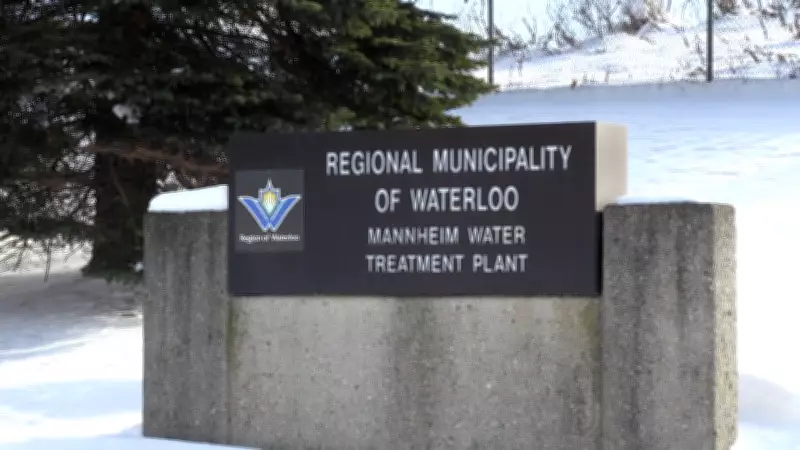
The suspension, which took effect immediately, halts all new applications for water-taking permits within the township. Municipal officials emphasized that this measure is a direct response to capacity limitations identified in the region's water treatment and distribution systems. This proactive step aims to prevent potential strain on existing infrastructure while authorities assess long-term solutions.
Waterloo Region has been experiencing notable growth in both residential and industrial sectors, increasing demand on water resources. The temporary policy freeze allows regional planners to evaluate current usage patterns and infrastructure capabilities without the pressure of new permit approvals.

Broader Implications for Regional Water Management
This development highlights several critical aspects of water resource management in Southern Ontario:
- Infrastructure Assessment: The pause provides valuable time for comprehensive evaluation of existing water treatment facilities and distribution networks.
- Development Planning: Municipalities must now consider water capacity as a fundamental factor in approving new residential and commercial projects.
- Environmental Stewardship: The decision reflects growing awareness of sustainable water usage practices amid changing climate patterns.
- Inter-Municipal Coordination: Effective water management requires close collaboration between neighboring municipalities and regional authorities.
Regional officials have indicated that the suspension will remain in effect until a thorough assessment of water infrastructure capacity is completed. This evaluation will include analysis of current usage rates, projected demand growth, and identification of necessary infrastructure upgrades.
Community Response and Future Considerations
Local residents and businesses have expressed mixed reactions to the policy change. While some acknowledge the necessity of responsible water management, others have raised concerns about potential impacts on development projects and agricultural operations that rely on water-taking permits.
The temporary suspension serves as a reminder of the interconnected nature of water resources in rapidly growing regions. As municipalities across Ontario face similar challenges, Wilmot's decision may establish a precedent for other communities grappling with infrastructure limitations.
Looking forward, regional authorities plan to develop a comprehensive water management strategy that addresses both immediate capacity concerns and long-term sustainability goals. This approach will likely involve infrastructure investments, updated conservation policies, and continued monitoring of water usage patterns across all sectors.