Wildlife management crews in the United States have made the difficult decision to cease active search efforts for a group of young wolves. This action comes in the wake of multiple reported attacks on livestock, prompting a shift in strategy from recovery to monitoring.
Background of the Wolf Pack
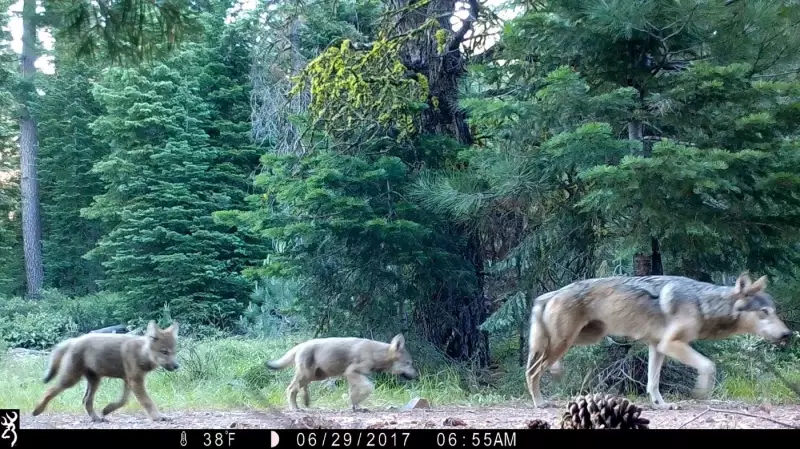
The wolves in question are believed to be offspring from a known pack. Historical documentation, including a remote camera image from the U.S. Forest Service dated June 29, 2017, shows a female grey wolf with two of three pups born that year in the wilds of Lassen National Forest in northern California. This pack has been part of ongoing wildlife observation and conservation efforts for nearly a decade.
The Decision to Stop Active Searching
The primary factor leading to the suspension of active search operations was a series of incidents involving livestock. While specific details on the number or location of these attacks were not fully disclosed in the initial report, they were deemed significant enough by authorities to warrant a change in protocol. The decision, announced on January 13, 2026, reflects the complex balance between protecting recovering predator species and addressing the legitimate concerns of local ranchers and farmers.

Active searching typically involves coordinated ground and aerial tracking efforts by wildlife biologists. Halting this intensive pursuit does not mean the wolves are being abandoned; rather, the approach is transitioning to passive monitoring. Officials will likely rely on remote cameras, like the one that captured the 2017 image, and reported sightings to keep tabs on the animals' movements.
Implications for Wildlife Management
This situation highlights the ongoing challenges in wolf conservation and human-wildlife conflict mitigation. The reappearance of wolves in historical habitats like northern California is often celebrated as an ecological success. However, it inevitably leads to tensions when predation on domestic animals occurs.
Wildlife agencies are frequently caught between mandates to protect endangered or threatened species and their duty to respond to public safety and economic concerns. The decision to stop actively searching for these young wolves is a pragmatic, though controversial, step in that balancing act. It allows resources to be allocated elsewhere while maintaining a watchful eye on the pack's behaviour.
The future of these wolves remains uncertain. Their survival now depends on their ability to avoid further conflict with human activities. Wildlife officials may implement non-lethal deterrents or, if attacks continue, consider more direct intervention. This case serves as a real-time example of the difficult decisions faced in modern wildlife management.