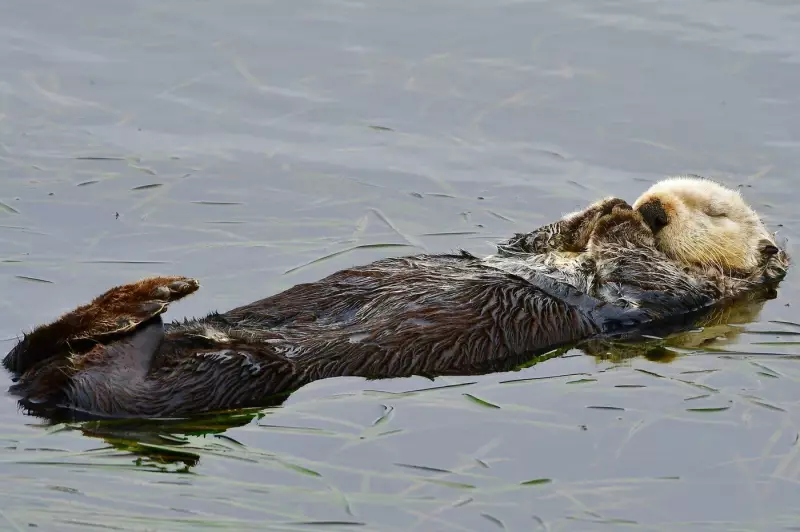
In a heartwarming wildlife success story, a baby sea otter has been safely reunited with its mother in central California following a dramatic rescue operation. The emotional reunion took place after wildlife experts from The Marine Mammal Center intervened to ensure the young otter's survival.
The Dramatic Rescue Operation
The rescue mission unfolded in Morro Bay, California, where marine mammal specialists responded to reports of a distressed sea otter pup separated from its mother. Wildlife officials carefully monitored the situation before determining that intervention was necessary for the young animal's survival.
The Marine Mammal Center, a leading organization in marine wildlife rescue, coordinated the complex operation. Their team of experienced responders worked meticulously to rescue the vulnerable pup while minimizing stress to both the baby otter and its mother. The successful rescue demonstrated the expertise required to handle such delicate wildlife situations.

Southern Sea Otter Conservation
Southern sea otters are a protected species that play a crucial role in maintaining healthy coastal ecosystems. As keystone species, they help preserve kelp forest habitats by controlling sea urchin populations. The successful reunion of this mother and pup represents more than just a single happy ending—it contributes to the ongoing conservation of this vulnerable species.
Morro Bay provides critical habitat for southern sea otters, making conservation efforts in this region particularly important. The Marine Mammal Center has extensive experience with sea otter rescues and rehabilitation, having worked with these marine mammals for decades.
Broader Conservation Implications
This successful reunion highlights the importance of professional wildlife response teams and public awareness. When beachgoers and boaters encounter marine mammals in distress, reporting them to authorized organizations can make the difference between life and death for vulnerable animals.
The operation also underscores the challenges facing marine wildlife in changing ocean environments. Climate change, habitat loss, and human activity continue to threaten species like the southern sea otter, making conservation efforts increasingly vital.
Wildlife officials encourage the public to maintain a safe distance from marine mammals and to immediately contact trained responders when animals appear to be in trouble. This baby sea otter's story serves as a powerful reminder that coordinated conservation efforts can yield positive outcomes for vulnerable species.