A notable increase in coyote sightings reported in Dollard-des-Ormeaux during 2025 contrasts with a broader downward trend across the Island of Montreal, according to city data and wildlife experts.
A Localized Surge in the West Island
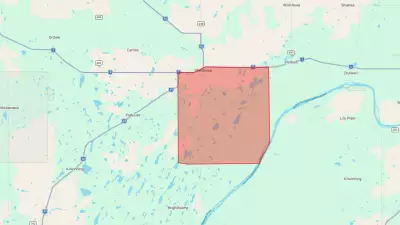
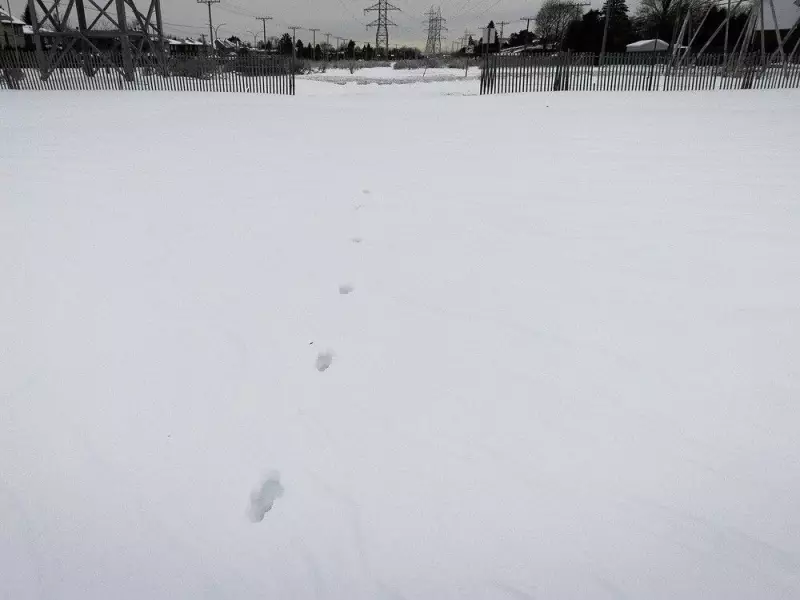
The surge in Dollard-des-Ormeaux, often abbreviated as D.D.O., is largely attributed to a single family of seven coyotes living along the Hydro-Québec power corridor near Salaberry Boulevard. By mid-December 2025, the city's Info-Coyote hotline had received 62 reports from D.D.O., a significant jump from just two reports in 2024 and one in 2023.
"They are in good health," said Salomé Renauld, coordinator of the Info-Coyote program run by the environmental education group GUEPE. "What we have there are coyotes doing very well. They are in their environment, they are not bothering anybody."

In response to resident concerns, the city of Dollard-des-Ormeaux issued a notice about the increased activity, particularly along trails under the power line between Lake and Somerset Streets. The notice reassured the community that coyote presence is natural but reminded residents to avoid habits that attract them.
Island-Wide Decline Thanks to Public Education
While D.D.O. saw a spike, the overall number of coyote sightings reported across Montreal has been falling. As of December 12, 2025, there were 237 sightings reported, down from 266 in all of 2024.
City spokesperson Camille Bégin credited this decline to public awareness efforts. "This situation can be attributed, notably, to our efforts at awareness and the excellent collaboration of citizens," Bégin stated. Since the program's launch in 2018, the average number of annual reports has been about 288.
The Info-Coyote program was established partly in response to three minor incidents in the summer of 2018, where young children were bitten by coyotes in Ahuntsic–Cartierville parks. Instead of a cull, the city opted for a management strategy focused on monitoring and public education.
"Since 2019, the average number of reports per year has been about 288," Bégin confirmed. The record was set in 2018 with 790 reports, which included numerous sightings of a single, identifiable sick coyote with mange.
Living Safely Alongside Urban Coyotes
Experts emphasize that coyotes have been on the island for a long time and are generally not a threat when left alone. Renauld stressed that a coyote biting a human "is something that happens extremely rarely." Most conflicts arise from territory defense, often triggered by off-leash dogs.
The city and GUEPE provide clear guidelines for coexistence:
- Always keep dogs on a short leash, especially near green corridors.
- Secure garbage in sealed containers and put it out only on collection day.
- Never feed coyotes or other wildlife.
- Clean up fallen fruit and store compost in the freezer until pickup.
- If approached, make yourself look big, make noise, and back away slowly—never run.
Surveillance cameras set up by the city, including along the D.D.O. power line, monitor coyote behaviour to ensure it remains normal. The current observations indicate the local family is avoiding human contact.
The drop in reports likely reflects a public that is now more informed and less alarmed by the normal presence of coyotes in urban green spaces. As Renauld noted, the goal is not necessarily fewer coyotes, but fewer problematic interactions. "We want them to live their lives," she said.