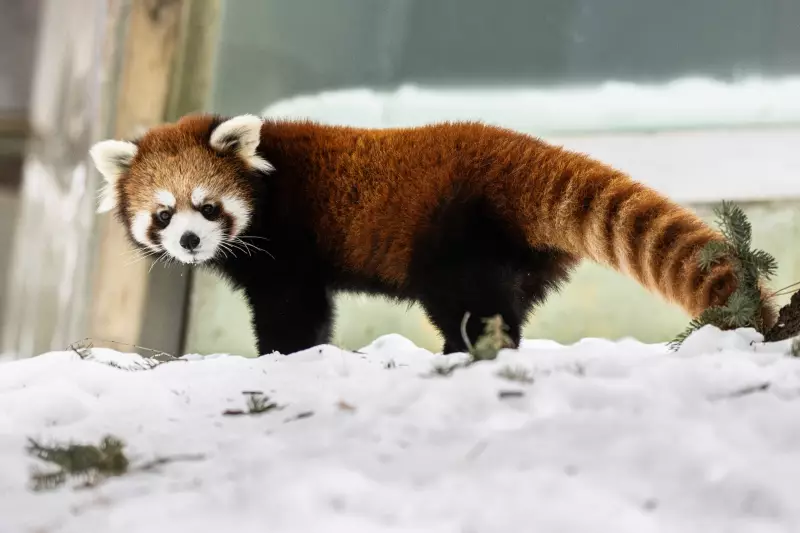
As bitter cold grips Southern Ontario, the dedicated team at the Toronto Zoo implements a sophisticated array of strategies to ensure the comfort and well-being of its animal residents, with particular attention to vulnerable species like the endangered red panda.
Specialized Care for a Species at Risk
The conservation status of red pandas was officially changed to endangered by the International Union for Conservation of Nature (IUCN) in April 2015. This designation underscores the critical need for protective measures. According to the Toronto Zoo, the global population of this species has suffered a devastating decline, plummeting by as much as 50 per cent over the past two decades.
Proactive Measures Against the Cold
When temperatures plunge, the zoo's animal care experts spring into action. The protocols go far beyond simply turning up the heat. For species adapted to warmer climates or those, like red pandas, that are especially sensitive, the zoo creates microclimates within their habitats.

This involves providing enhanced bedding materials, supplemental heat sources such as radiant heaters or heated rocks, and ensuring access to sheltered, wind-protected areas at all times. Diets are also carefully adjusted to provide the extra calories animals need to generate body heat during a deep freeze.
A Mission Beyond Comfort
The meticulous winter care regimen is a direct extension of the zoo's core conservation mission. Protecting individual animals from extreme weather is part of safeguarding the future of species whose wild populations are under severe threat. The Toronto Zoo participates in global Species Survival Plans (SSPs), which manage the genetic diversity of endangered species in human care, making the well-being of each animal paramount.
While the red panda serves as a poignant example, these comprehensive winter readiness plans are tailored for the entire animal inventory, from reptiles and amphibians to large mammals. The goal is universal: to replicate, as closely as possible, the conditions each species would seek out in the wild to survive a Canadian winter, ensuring they remain healthy, active, and thriving until the spring thaw.