Five Decades of Birdwatching Reveals Dramatic Shifts
After spending half a century observing nature's rhythms, a veteran birder has documented what he describes as 'tremendous' changes occurring among Manitoba's bird populations. The experienced naturalist, who has dedicated his life to studying avian species across the province, reports significant transformations in both the types of birds seen and their behavioral patterns.
The observations span fifty years of consistent birdwatching, providing a rare long-term perspective on how Manitoba's ecosystems are evolving. What began as a hobby has become a valuable scientific record of environmental change.
Climate Change Driving Species Distribution
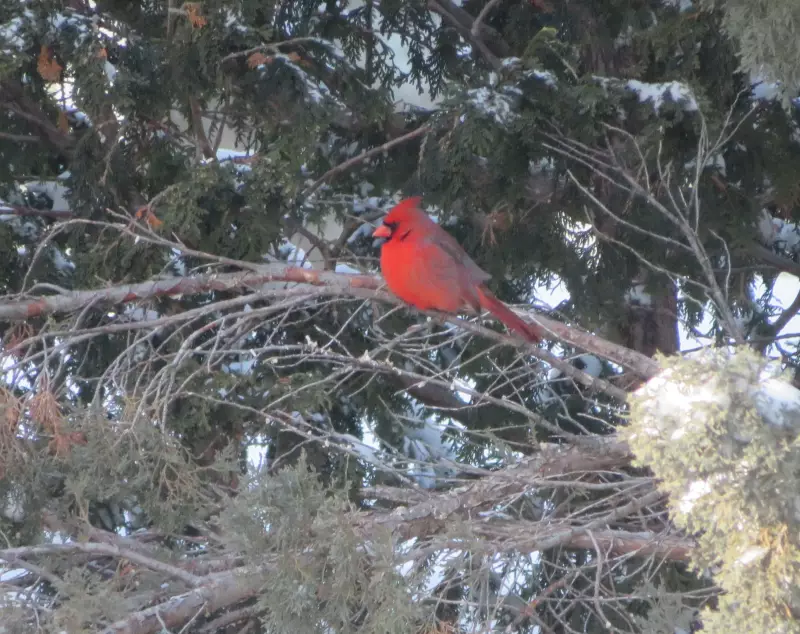
Among the most notable changes is the appearance of species previously uncommon or entirely absent from Manitoba. The northern cardinal, once a rare sight in the province, has become increasingly visible in recent years. A male northern cardinal was photographed in East Kildonan as recently as February 2022, demonstrating how warming temperatures are enabling southern species to expand their ranges northward.

Climate patterns are fundamentally reshaping bird distribution across the Canadian landscape. Warmer winters and changing precipitation patterns have created new opportunities for some species while presenting challenges for others that depend on specific environmental conditions.
Long-term Implications for Manitoba's Ecosystem
The veteran birder's observations highlight broader ecological shifts that extend beyond individual species. Changes in migration timing, nesting behaviors, and food availability are all part of the complex picture emerging from five decades of documentation.
These transformations carry significant implications for conservation efforts and environmental policy. Understanding how bird populations respond to changing conditions helps scientists predict future ecological developments and develop strategies to protect vulnerable species.
The birder's extensive experience provides crucial context for interpreting current research and monitoring data. His long-term perspective offers insights that shorter studies cannot capture, revealing patterns that unfold over generations rather than years.