Ontario Government Finalizes Conservation Authority Consolidation Plan
The Ontario government has officially confirmed its strategy to merge the province's thirty-six conservation authorities into nine newly established regional bodies. This significant restructuring, announced in a March 10 release, is designed to streamline operations and expedite development processes across the province.
Eastern Ontario's New Regional Authority
In the Ottawa region, this consolidation will specifically impact four existing conservation authorities: Mississippi Valley, Raisin Region, Rideau Valley, and South Nation River. These organizations will be integrated into the newly formed St. Lawrence River Regional Conservation Authority. Additionally, the Cataraqui Conservation Authority will become part of the Eastern Lake Ontario Regional Conservation Authority under the updated plan.
"This consolidation will help get shovels into the ground faster," stated provincial officials, emphasizing the initiative's goal of accelerating development approvals while maintaining environmental protections.

Historical Context and Modern Challenges
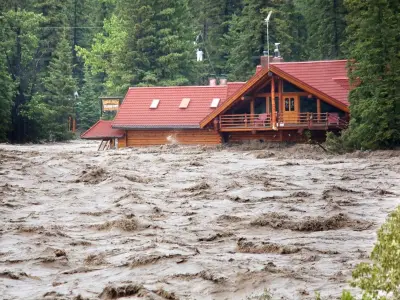
Conservation authorities, established under 1946 legislation, operate based on watershed boundaries rather than municipal jurisdictions. Their critical functions include flood plain mapping to prevent development in vulnerable areas, issuing flood and water consumption warnings during droughts, and providing technical guidance to municipalities on Planning Act applications concerning natural hazards like floodplains, erosion, and unstable slopes.
According to provincial documentation, the current system suffers from fragmentation due to varying policies, processes, and capacities among the thirty-six authorities. "This has created a fragmented system with inconsistent standards and timelines," the government noted, justifying the consolidation as necessary to reduce administrative duplication and redirect resources toward frontline conservation efforts.
Political Reactions and Implementation Timeline
Ontario Party Leader Mike Schreiner expressed strong opposition to the changes, warning that centralizing power into fewer hands could undermine local expertise and decision-making. "Communities across Ontario face increasingly dangerous flood risks," Schreiner argued, suggesting the restructuring might weaken protections for parks, lakes, and rivers.
The implementation process is already underway:
- The province initially proposed merging authorities into seven bodies last fall but expanded to nine following public consultation
- Legislation amending the Conservation Authorities Act will be introduced this spring
- A target implementation date of February 1, 2027, has been established
- A project executive will be appointed to oversee the transition
Sally McIntyre, General Manager of the Mississippi Valley Conservation Authority, explained that the appointed executive's first task will involve collaborating with existing authorities to develop a comprehensive transition plan. This phased approach aims to modernize permitting processes while preserving essential programs and services that protect Ontario's natural landscapes and communities from environmental hazards.