A pod of orca whales transformed the waters near Seattle into a spectacular natural theatre on Friday, January 16, 2026. The majestic marine mammals were spotted swimming past the West Seattle neighborhood, drawing crowds of eager onlookers to the shoreline for an unforgettable display of wildlife.
A Majestic Coastal Sighting
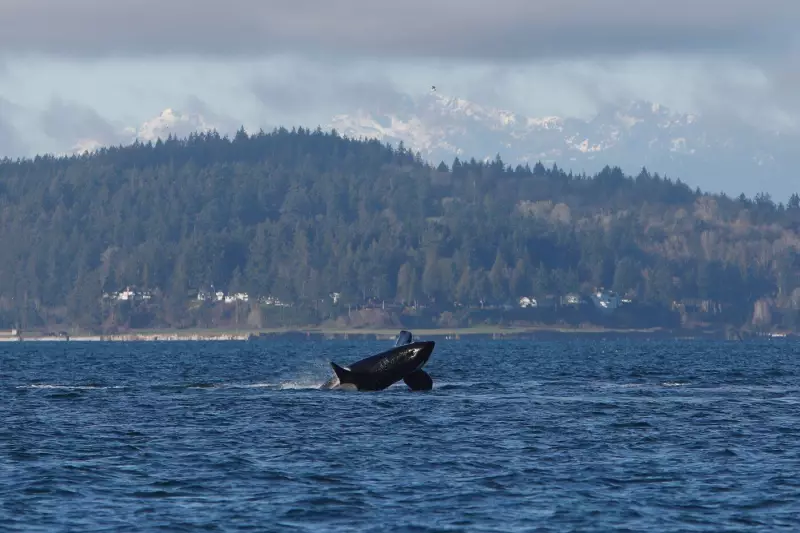
The event provided a rare and thrilling sight for local residents. One particularly photogenic orca was captured mid-breach by an Associated Press photographer, its powerful body suspended above the surface of the Puget Sound. The image, taken by Manuel Valdes, perfectly encapsulates the awe-inspiring moment that stopped pedestrians in their tracks.
The sighting occurred during the afternoon hours, offering a bright spot on the January calendar. Unlike planned wildlife tours, this was a spontaneous visit from the iconic black-and-white whales, often referred to as killer whales, to the urban shoreline.

Understanding the Orcas of the Pacific Northwest
Orcas are a common yet always celebrated sight in the Salish Sea, which includes the waters around Seattle and southern British Columbia. The region is home to several distinct pods, including the critically endangered Southern Resident killer whales, which rely on Chinook salmon, and the more transient Bigg's killer whales, which hunt marine mammals.
While the specific ecotype of this visiting pod was not immediately confirmed, their presence so close to a major city underscores the rich marine biodiversity of the Pacific Northwest coast, shared between Washington State and British Columbia, Canada. Such sightings are closely monitored by conservation groups and researchers on both sides of the border.
Community and Conservation Impact
The spontaneous orca show did more than provide stunning photographs; it served as a powerful reminder of the wild beauty existing alongside urban development. For many Canadians, especially those in coastal British Columbia communities like Victoria or Vancouver, such encounters are a cherished part of life, highlighting the importance of ocean conservation.
Events like this galvanize public support for protecting marine habitats and water quality, issues of paramount importance in Canada where ocean health is tied to cultural identity, tourism, and fisheries. The shared waters between the US and Canada make cross-border cooperation on whale protection and salmon restoration efforts crucial for the survival of these iconic species.
As the pod continued its journey north, possibly toward Canadian waters, they left behind a city buzzing with excitement and a renewed appreciation for the majestic creatures that inhabit the shared coastal environment of the Pacific Northwest.