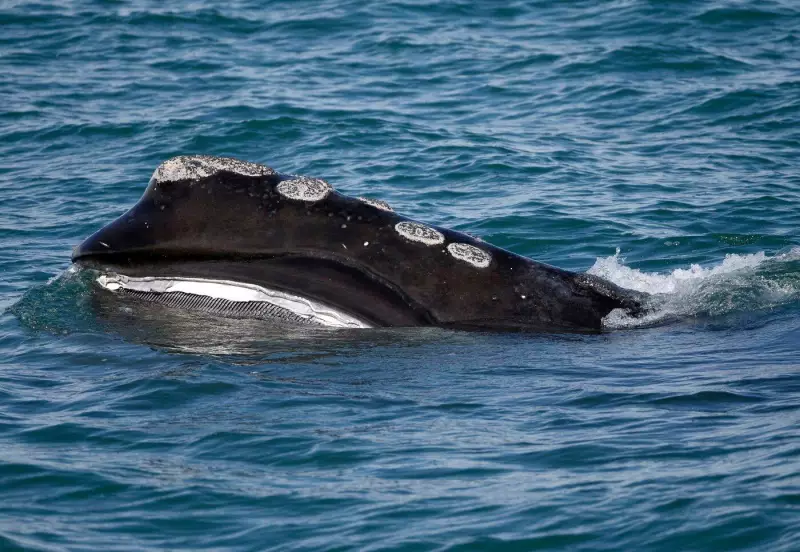
Scientists monitoring one of the world's most endangered marine mammals are reporting a cautiously optimistic development this season: a notable number of new calves have been observed. However, researchers are issuing a stark warning that this positive sign does not negate the severe risk of extinction facing the North Atlantic right whale.
A Glimmer of Hope in a Critical Situation
The North Atlantic right whale, a species that migrates along the eastern coast of North America, is experiencing what experts are calling an encouraging season for births. The exact number of new calves observed this season was not specified in the initial report dated January 05, 2026, but the trend is being closely watched as a potential indicator of the population's resilience.
This news provides a rare moment of hope for a species that has been teetering on the brink. The population, which numbers only in the hundreds, has been decimated over centuries by commercial whaling and, more recently, by human-made threats in its ocean habitat.

Why Extinction is Still a Looming Threat
Despite the encouraging birth rate, marine biologists and conservationists are urging the public and policymakers not to become complacent. The fundamental threats that have driven the species to the edge of collapse have not disappeared.
The two primary dangers continue to be vessel strikes and entanglement in fishing gear. These human activities in the whale's migratory paths and feeding grounds, which include areas off the coast of Atlantic Canada and New England, result in fatal injuries and chronic stress that reduces reproduction rates. Climate change is also altering the distribution of the whale's prey, forcing them into areas with heavier shipping traffic and fishing activity, thereby increasing the risk of deadly encounters.
The population is so critically low that even a few adult deaths each year can significantly impact the species' chances of recovery. Scientists emphasize that the recent births, while vital, are not happening at a rate fast enough to outpace the mortality caused by these persistent threats.
The Path Forward for Conservation
The situation underscores the urgent need for continued and enhanced conservation measures. Efforts must focus on mitigating the two main causes of death. This includes enforcing and potentially expanding seasonal speed restrictions for ships in known whale habitats and promoting the development and adoption of whale-safe fishing gear technology.
Ongoing monitoring and research are also crucial. Each new calf represents a critical addition to the gene pool, and tracking their survival into adulthood is key to understanding the long-term viability of the population. The encouraging birth season is a testament to the work of conservation groups and regulatory bodies, but it is not a signal that the job is done.
The future of the North Atlantic right whale remains precarious. While the sight of new calves is a powerful symbol of hope, it is a hope that is contingent upon immediate and sustained human action to create a safer ocean for this iconic Canadian and American marine species.