In a landmark decision for animal rights, South Korea has officially announced plans to completely phase out the breeding of bears and the extraction of their bile, a practice long condemned by animal welfare advocates. The move signifies the end of a controversial industry that has operated for decades within the country.
The End of a Controversial Practice
The decision, confirmed by authorities on December 30, 2025, targets the systematic farming of bears primarily for their bile. Bear bile has been used in some forms of traditional medicine, harvested through invasive and often painful methods. For years, animal rights groups have documented bears kept in cramped cages on so-called "bear farms," highlighting the severe welfare issues associated with the practice.
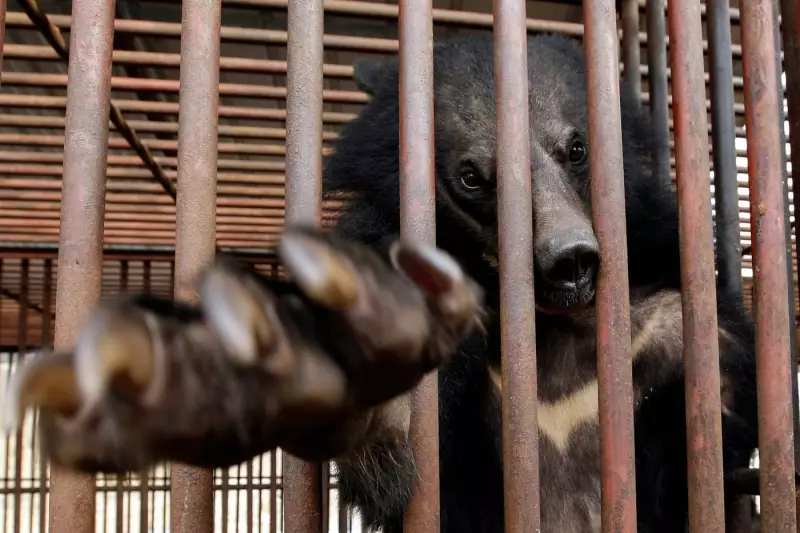
This policy shift follows increasing domestic and international pressure. Photographs from facilities, such as one taken at a farm in Dangjin, South Korea, on January 24, 2014, which showed a bear confined to a cage, became powerful symbols in the campaign against the industry. The new regulations will halt all new breeding for bile extraction and work toward permanently shuttering existing operations.

Implications for Conservation and Welfare
The ban represents a significant step forward for wildlife conservation and ethical treatment standards in South Korea. It aligns the nation with a growing global consensus against using wild animals for such commercial purposes. The focus will now shift to the fate of the bears currently housed in these farms, with plans expected for their care, rehabilitation, or transfer to sanctuaries.
This move is seen as a direct response to sustained advocacy and changing public attitudes toward animal welfare. It closes a chapter on an practice that many viewed as a relic of the past, inconsistent with modern scientific understanding and ethical values.
A Broader Shift in Policy
While the announcement specifically addresses bear bile farming, it is also viewed as part of a larger, evolving dialogue in Asia about the use of animal products in traditional remedies and the balance between cultural practices and contemporary animal welfare science. The decision sets a precedent that could influence policy discussions in other regions where similar practices may still occur.
The government's commitment to end both breeding and extraction by 2025 provides a clear timeline for the industry's dissolution. Enforcement and the management of the transition period will be critical next steps to ensure the welfare of the animals involved is prioritized.