The Unlikely Visitor Captivating Venice
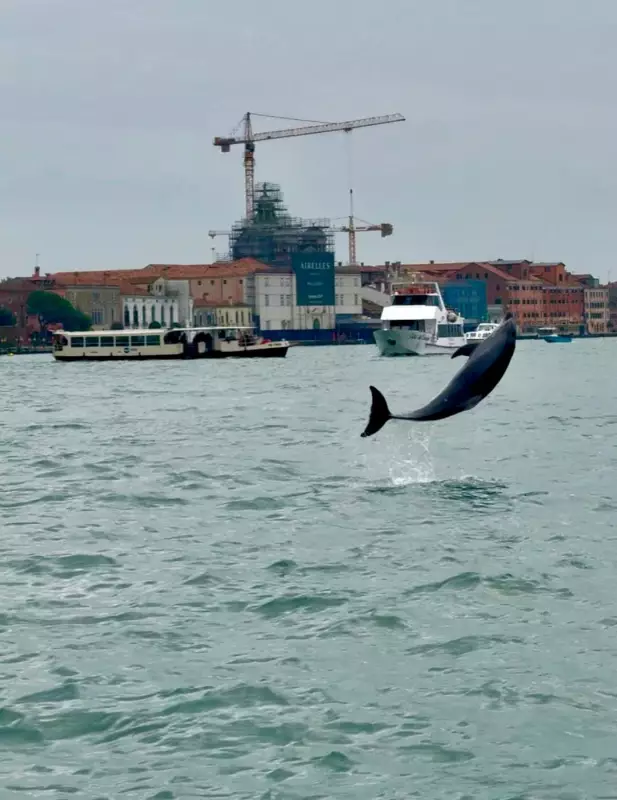
Venice has welcomed an unexpected and spectacular visitor to its historic waterways—a young bottlenose dolphin that locals have affectionately nicknamed "Mimmo." This wild marine mammal has become the city's newest marvel, captivating residents and tourists alike with his breathtaking acrobatic displays in the iconic St. Mark's Basin.
The dolphin first appeared in Venetian waters in October 2025 and has since refused to leave, despite increasing concerns from marine biologists and conservation experts. His spectacular leaps and flips have drawn crowds along the canals, creating both wonder and worry among those who understand the dangers facing a wild dolphin in such an urban environment.
A Dangerous Paradise
While Mimmo's presence provides a magical spectacle for onlookers, marine experts warn that Venice's busy waterways pose significant threats to the dolphin's survival. The city's famous canals are filled with boat traffic, pollution, and other hazards that could prove fatal to the marine mammal.

Video evidence captured on Monday, October 20, 2025, shows the dolphin performing impressive acrobatic maneuvers, including dramatic flips that send water spraying into the air. These displays demonstrate the animal's vitality but also highlight his comfort in an environment that is fundamentally unsuitable for long-term dolphin habitation.
Marine biologists express particular concern about the heavy boat traffic that characterizes Venice's waterways. The constant movement of water taxis, gondolas, and commercial vessels creates collision risks that could seriously injure or kill the dolphin. Additionally, the confined nature of the canals limits the dolphin's natural hunting behaviors and could lead to malnutrition over time.
Conservation Dilemma and Future Concerns
The situation presents a complex conservation challenge. While authorities recognize the need to protect the dolphin, intervening to move a wild animal comes with its own set of risks and ethical considerations. Mimmo's refusal to leave the area voluntarily complicates rescue efforts and leaves conservationists monitoring the situation closely.
Local authorities and marine mammal experts are closely monitoring Mimmo's health and behavior, watching for any signs of distress or injury that might necessitate immediate intervention. The longer the dolphin remains in the urban waterway system, the greater the risks become from pollution, boat strikes, and stress-related health issues.
This extraordinary situation serves as a poignant reminder of the increasing encounters between wildlife and urban environments. As cities expand and climate patterns shift, such unusual animal visitations may become more common, requiring new approaches to wildlife management and conservation.
The story of Mimmo continues to unfold, with marine experts hoping the dolphin will eventually return to safer, open waters while Venetians cherish the magical moments he provides in their historic city.