Winter Birdwatching in Manitoba: Not All Birds Flee the Cold
While many assume that birds migrate south to escape Canada's harsh winters, a surprising number of species remain in Manitoba throughout the coldest months. This phenomenon is particularly evident at locations like the Oak Hammock Marsh Wetland Discovery Centre in Stonewall, where dedicated bird feeders provide essential support for local avian populations.
Bird Feeders as Winter Lifelines
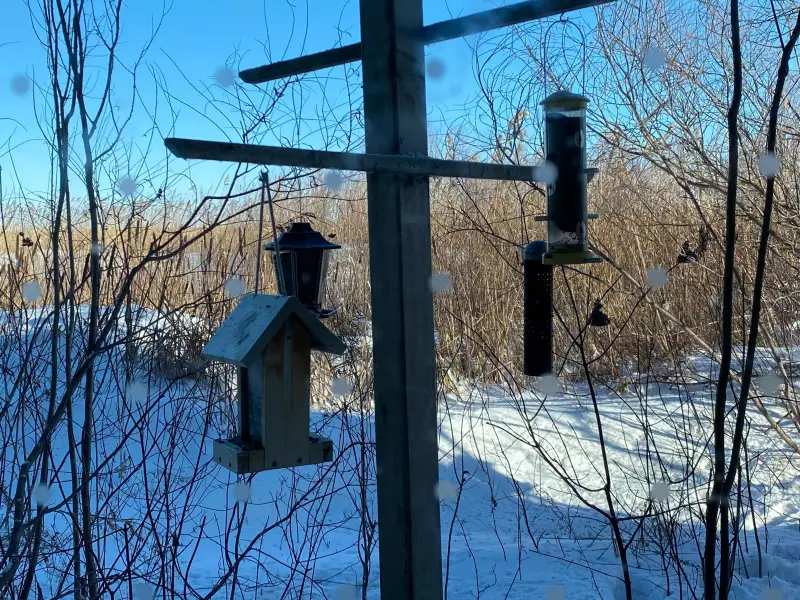
On January 25, 2026, bird feeders were observed hanging from wooden poles at Oak Hammock Marsh, demonstrating the ongoing efforts to support wildlife during challenging winter conditions. These feeders serve as critical resources for birds that choose to overwinter in Manitoba rather than undertake long migratory journeys.
The presence of these feeding stations highlights an important aspect of winter ecology that often goes unnoticed by casual observers. While some bird species do migrate to warmer climates, many hardy varieties have adapted to survive Manitoba's cold temperatures through specialized behaviors and physiological adaptations.

Understanding Winter Bird Populations
Bird species that remain in Manitoba during winter typically possess several key adaptations:
- Enhanced insulation through specialized feather structures
- Behavioral adaptations like roosting in sheltered areas
- Dietary flexibility that allows them to utilize available food sources
- Metabolic adjustments to conserve energy during cold periods
The Oak Hammock Marsh Wetland Discovery Centre serves as an important observation point for researchers and bird enthusiasts alike, providing valuable insights into how different species cope with winter conditions. The continued operation of bird feeders at this location represents a practical conservation effort that supports local biodiversity during challenging environmental conditions.
Conservation Implications
Maintaining bird feeding stations during winter months has broader implications for wildlife conservation in Manitoba. These efforts:
- Support vulnerable bird populations during periods of food scarcity
- Provide opportunities for public education about local wildlife
- Contribute to citizen science initiatives through observation data collection
- Help maintain ecological balance in wetland habitats
As climate patterns continue to evolve, understanding how bird species adapt to winter conditions becomes increasingly important for conservation planning. The ongoing observations at locations like Oak Hammock Marsh contribute valuable data to this growing body of knowledge.
While winter in Manitoba presents significant challenges for wildlife, the persistence of bird populations throughout the cold season demonstrates remarkable resilience and adaptation. Through continued support and observation, we can better understand and protect these important members of Manitoba's ecological community.