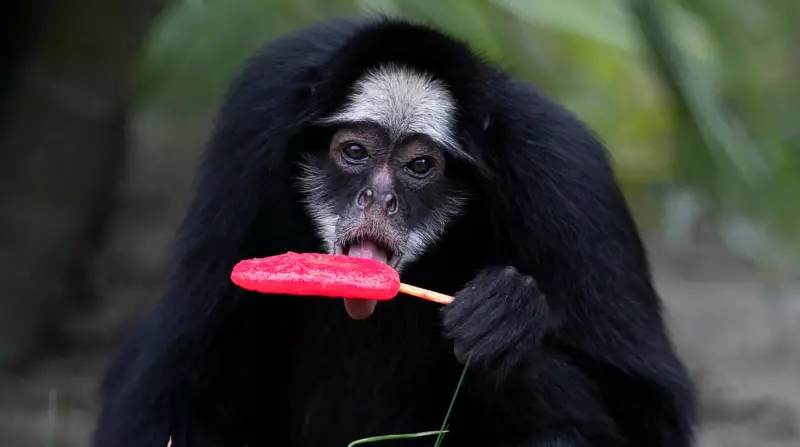
As a brutal summer heat wave gripped Rio de Janeiro, the city's BioParque zoo implemented a delicious and practical strategy to keep its residents cool: a menu of customized frozen treats. On Tuesday, January 13, 2026, jaguars, monkeys, and other animals received popsicles and iced diets specially prepared for their species to combat temperatures soaring above 40 degrees Celsius (104 Fahrenheit).
Frozen Delights for Hydration and Comfort
Zoo officials explained that the frozen foods are a standard part of their animal care protocol during periods of extreme heat. The treats are designed not just for enrichment but to provide crucial thermal comfort. The diets were tailored to each species' nutritional needs. While some animals received frozen fruit, others were offered mixtures containing frozen blood, a nutrient-rich option for carnivores.
A group of monkeys eagerly accepted watermelon popsicles from their keepers. One particularly memorable scene featured a jaguar attempting to fish out ground chicken popsicles from a tray floating in its water tank. Biologist Letizia Feitoza noted that this activity served a dual purpose: "When she tries to fish out the frozen food, she ends up ingesting water as well. This is important for her hydration."

Public Enjoys the Cool Spectacle
The initiative, which was also carried out during the previous summer's heat, did not deter visitors from coming to the zoo. Instead, it offered a unique spectacle. Guests watched as animals, including a white-cheeked spider monkey, licked on their red popsicles. Lorena Carvalho, a teacher visiting the zoo, shared her appreciation: "I thought it was really cool. I think it brings them more comfort."
The zoo's efforts came against the backdrop of an official Level 3 heat alert issued by city authorities. The alert, prompted by the extreme temperatures recorded on Sunday and Monday, warned residents of significant health risks associated with prolonged exposure. The proactive measures at the BioParque highlight how managed wildlife facilities adapt to increasingly common extreme weather events to ensure animal welfare.