Winnipeg is set to open a new protective care centre designed to provide a safe environment for individuals under the influence of drugs. The facility, also known as a sobering centre, will allow for the detention of intoxicated persons for up to 72 hours.
A First Look Inside the Facility
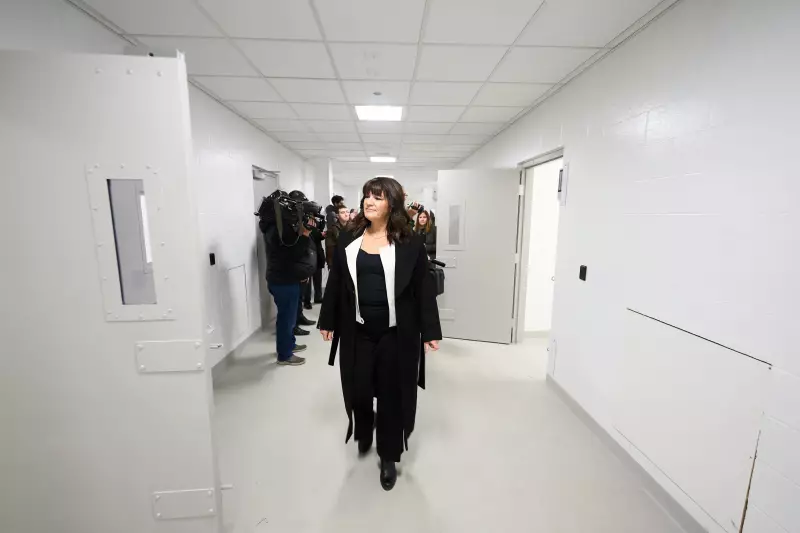
On Monday, November 17, 2025, Housing, Addictions and Homelessness Minister Bernadette Smith toured the soon-to-be-opened centre. This visit offered the first public glimpse into the space intended to address public safety and health concerns related to public intoxication.
The centre represents a significant step in the provincial government's strategy to manage addiction and homelessness. It is designed to offer more than just a holding cell; it aims to provide a compassionate, clinical environment where individuals can sober up safely and access support services.

Key Features and Operational Details
The primary function of the protective care centre is to detain drug-intoxicated individuals for a period of up to 72 hours. This timeframe is intended to ensure that a person is no longer a danger to themselves or the public and to provide a window for initiating connections to long-term help.
Unlike a traditional drunk tank, the model focuses on care and transition. The goal is to stabilize individuals in crisis and then link them with resources for addiction treatment, housing, and other social services, addressing the root causes of their situation.
Broader Implications for Winnipeg
The opening of this centre comes at a critical time for Winnipeg, which, like many Canadian cities, is grappling with the complex challenges of the drug poisoning crisis. By providing a dedicated, health-focused space, the city aims to reduce the burden on emergency rooms and law enforcement.
This initiative is part of a broader provincial effort to create a more humane and effective response to public intoxication. The success of the sobering centre will be closely watched as a potential model for other municipalities across Canada seeking alternatives to punitive measures.