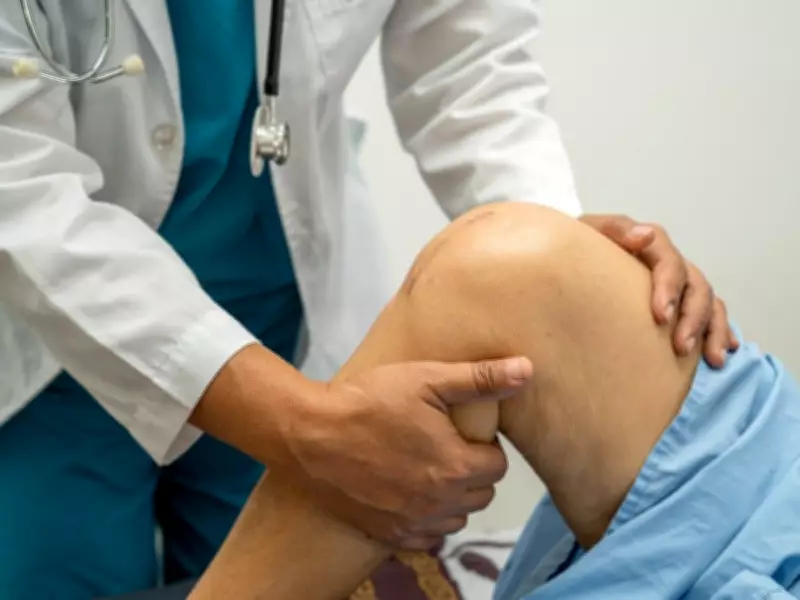
Total joint replacement surgery has become an increasingly popular solution for individuals suffering from osteoarthritis who wish to restore knee function and reclaim their active lifestyles. With advancements making the procedure less invasive, outcomes more positive, and recovery periods significantly improved in recent years, patients are opting for surgery at younger ages. Experts project that by 2030, more than half of all knee replacement surgeries will be performed on individuals under the age of 65.
The Challenge of Returning to Activity
Many patients seek knee replacement specifically to return to physical activities that osteoarthritis pain has curtailed. However, the reality of resuming previous activity levels after months or years of limited mobility presents challenges. Healthcare professionals often provide inconsistent advice regarding the type, intensity, and timing of returning to sports and physical activities post-surgery.
Evidence-based research offers clearer insights, though results vary depending on the specific activities studied. Studies indicate that the average time to return to sports ranges from 16 to 24 weeks following surgery. Resumption of low-impact activities such as swimming, cycling, golf, and walking proves more common than returning to high-impact pursuits like running, basketball, or soccer.

Research Findings on Recovery Timelines
A comprehensive study conducted by physicians at the Cleveland Clinic in Ohio followed 1,464 individuals who underwent knee replacement surgery, including a follow-up assessment one year post-operation. The findings revealed that more than half of those who participated in sports before surgery successfully returned to play, with most achieving this milestone within 12 weeks of hospital discharge.
This timeline aligns with previous research showing that pain reduction and physical function improvement become markedly noticeable three months after surgery, reaching peak enhancement by the six-month mark. The study identified that individuals most likely to return to sports tended to be younger, male, with lower body mass index (BMI), and fewer medical complications compared to other participants.
Preoperative Activity as Key Predictor
The strongest predictor of postoperative return to sports proved to be preoperative sports participation level. Both recreational and competitive athletes demonstrated tenfold greater odds of returning to activities compared to non-athletes, according to the study authors.
Additional research from Japan further supports these findings, indicating that greater knee strength and higher daily step counts before surgery correlate directly with improved step counts and gait speed during recovery. The level of preoperative physical activity is an important factor affecting the level of postoperative physical activity, the researchers emphasized.
Preparation Strategies for Optimal Recovery
Maintaining physical activity while awaiting surgery significantly increases the likelihood of returning to sports and regular exercise afterward. The better physical condition patients maintain before surgery, the faster their recovery and return to activity tend to be. Recommended activities that can typically be continued while waiting for surgery include:
- Strength training exercises
- Cycling
- Swimming
Strength training has proven particularly effective in alleviating or reducing knee osteoarthritis pain. Additionally, maintaining higher daily step counts provides substantial benefits during the initial weeks of recovery.
The Importance of Timing Surgery
Another crucial factor in achieving a quick return to activities involves not delaying the decision to undergo surgery excessively. While wait times for knee replacement surgery vary by province, prolonged waiting typically leads to increased pain severity, greater functional loss, and reduced ability to remain active. This inactivity often results in weight gain, physical deconditioning, and diminished strength in the affected leg—all factors that can delay post-surgical recovery.

Beyond mobility benefits, research suggests that total knee replacement may reduce the risk of serious cardiac events by approximately 12 percent, underscoring the broader health advantages of both the surgery and a prompt return to active living.
Navigating Return-to-Activity Guidelines
Despite growing research, universal guidelines for returning to sports after knee replacement remain limited. This makes open communication with healthcare providers essential. Patients should discuss their specific activity goals, including the types and intensity levels they hope to resume, while recognizing that individual health histories and previous sports participation will influence recommendations.
Most patients receive approval for low- and medium-impact activities, while discussions about high-impact activities (such as running), contact sports (like soccer or hockey), or activities placing substantial stress on knees (including certain forms of downhill skiing) may involve recommendations for modifications. The crucial takeaway remains that returning to sports and physical activity is vital for maintaining overall health and wellbeing, encouraging patients to confidently engage their new knees in movement.