Bananas are a popular fruit, but their nutritional impact on your health can vary depending on ripeness. As a banana ripens, its sugar, starch, and vitamin content change, making certain stages more suitable for specific health needs. Here, registered dietitians explain the different ripeness levels and which health conditions or goals each stage best supports.
Underripe Bananas
Underripe bananas are green, firm, and difficult to peel. They contain the highest amount of resistant starch and low sugar content. Resistant starch feeds healthy gut bacteria, reduces inflammation, and helps stabilize blood sugar levels. It is digested slowly, promoting fullness.
This ripeness level is ideal for individuals managing blood glucose, such as those with prediabetes, type 2 diabetes, or insulin resistance. It also benefits gut health, particularly for people with digestive issues like irritable bowel syndrome. For added benefits, pair with peanut butter for protein and healthy fats that support blood sugar response.

However, athletes may want to avoid underripe bananas due to slow digestion causing stomach heaviness. People sensitive to resistant starch may also experience gastrointestinal discomfort.
Barely Ripe Bananas
Barely ripe bananas are mostly yellow with some green at the ends, slightly softer but still firm. Resistant starches have started converting into sugars, but they remain high in fiber and low in sugar. Mineral levels, particularly potassium and magnesium, stay stable.
This stage suits those who want digestive benefits without the chalky taste of underripe bananas and need steady energy without major blood sugar effects. It is recommended for insulin resistance, prediabetes, diabetes, metabolic syndrome, and digestive conditions. Additionally, it may benefit peri- or post-menopausal women due to resistant starch supporting gut health and insulin sensitivity during hormonal changes.
Ripe Bananas
Ripe bananas are fully yellow, soft, and sweet-smelling. Starches have mostly converted into natural sugars, fiber decreases, and antioxidant content increases. Vitamins and minerals reach their peak. One banana provides 8% of the daily value for potassium and magnesium, important for blood pressure, muscle contraction, and bone health.
Ripe bananas are ideal for pre-workout energy, quick whole-food energy, increasing potassium intake for blood pressure management, and for children. They offer a balance of fiber and sugar with fewer digestion concerns.
Very Ripe Bananas
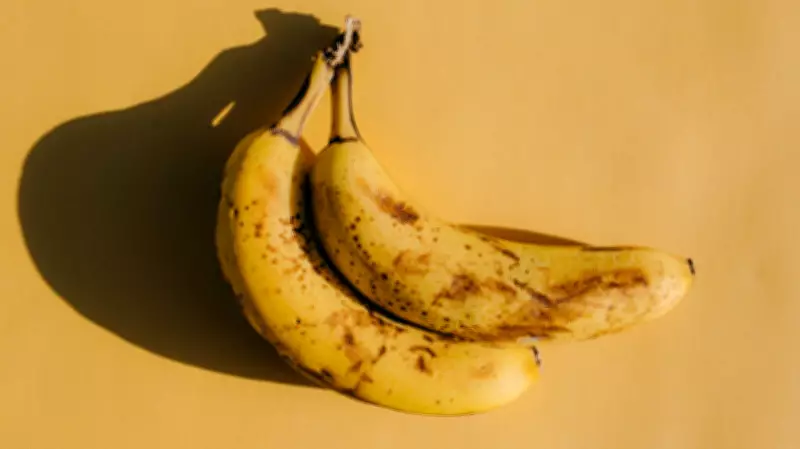
Very ripe bananas have brown spots, are soft, and emit a strong aroma. Sugar content is near its peak, and fiber continues to decrease. This stage is suitable for quick energy, sensitive digestion, low appetite, or as a sweet treat. However, individuals managing blood sugar should avoid very ripe bananas due to high sugar content.
Overripe Bananas
Overripe bananas are brown or black, mushy, and highest in sugar and antioxidants but lowest in fiber. Vitamin C decreases, while folate increases slightly. They are best used in baking or freezing for banana bread, cookies, or smoothies. Overripe bananas are gentle on digestion and provide fast calories for athletes, but they are not ideal for people with diabetes or those seeking fiber.
Ultimately, bananas are nutritious at any ripeness. Choose based on your health goals, taste preference, and intended use.